
In the rapidly growing world of Ecommerce, understanding how payment gateways work with banking systems is essential for running your business effectively especially in models like Print On Demand (POD) and dropshipping. Many online sellers misunderstand how payment gateways actually operate, which can lead to issues such as fund holds, low payment approval rates, or poor cash flow management. In this article, EasyPay onBoard will break down the entire payment gateway process in a simple, complete, and SEO-friendly way.
What is a Payment Gateway?
A payment gateway is an intermediary system that connects your website with banking systems and global card networks. Some of the most popular platforms today include:
- Stripe
- PayPal
- Adyen
In simple terms, a payment gateway is responsible for:
- Receiving payment information from customers
- Securing and encrypting data
- Sending transaction requests to banks
- Returning the result back to your website
One important thing to remember: A payment gateway is not a bank and is not designed to store money long-term.
How Does the Payment Flow Work?
Here is the real-world process of an online transaction:
1. Customer Enters Payment Information
Customers make a payment by:
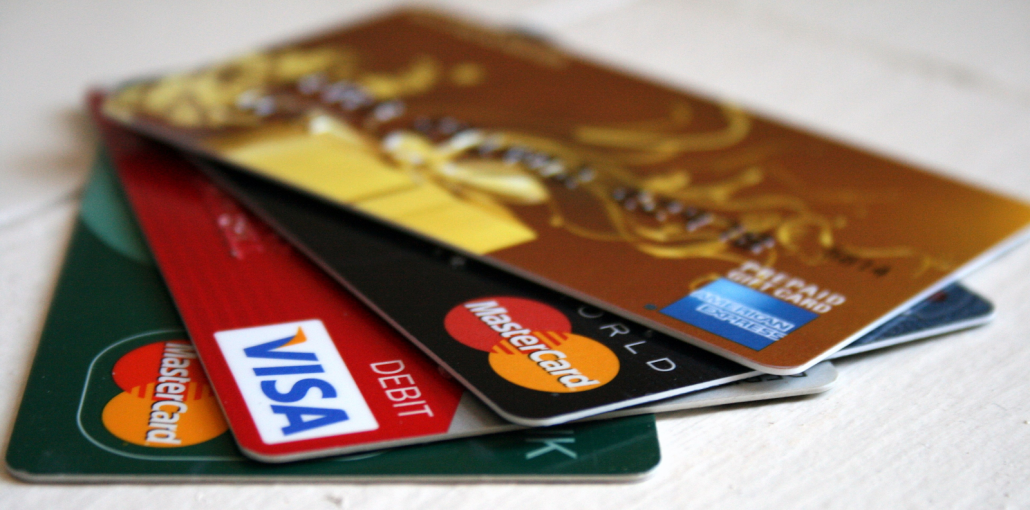
- Entering credit/debit card details (Visa, Mastercard)
- Or using digital wallets like Apple Pay or PayPal
As soon as the data is entered, it is encrypted using SSL to ensure security.
2. Payment Gateway Processes the Data
The payment gateway (e.g., Stripe or PayPal) will:
- Encrypt payment data
- Perform fraud detection checks
- Standardize data according to banking requirements
At this stage, the main role is to protect and prepare the data for transmission.
3. Sent to the Acquiring Bank
This is the merchant’s bank.
- The gateway connects to a payment processor (e.g., Adyen)
- The processor sends the transaction into the financial system
The main goal here is to route the transaction into the banking network.
4. Through Card Networks
The transaction passes through global card networks such as:
- Visa
- Mastercard
- American Express
These networks act as intermediaries between banks worldwide.
5. Issuing Bank Verifies the Transaction
This is the customer’s bank. It checks:
- Available balance
- Whether the transaction looks suspicious
- Authentication (OTP or 3D Secure)
The result will be:
- Approved
- Declined
6. Result Returned to Website
The response flows back through the chain: Issuing Bank → Card Network → Acquiring Bank → Payment Gateway → Website
Within seconds, you will see:
- Successful payment
- Failed payment
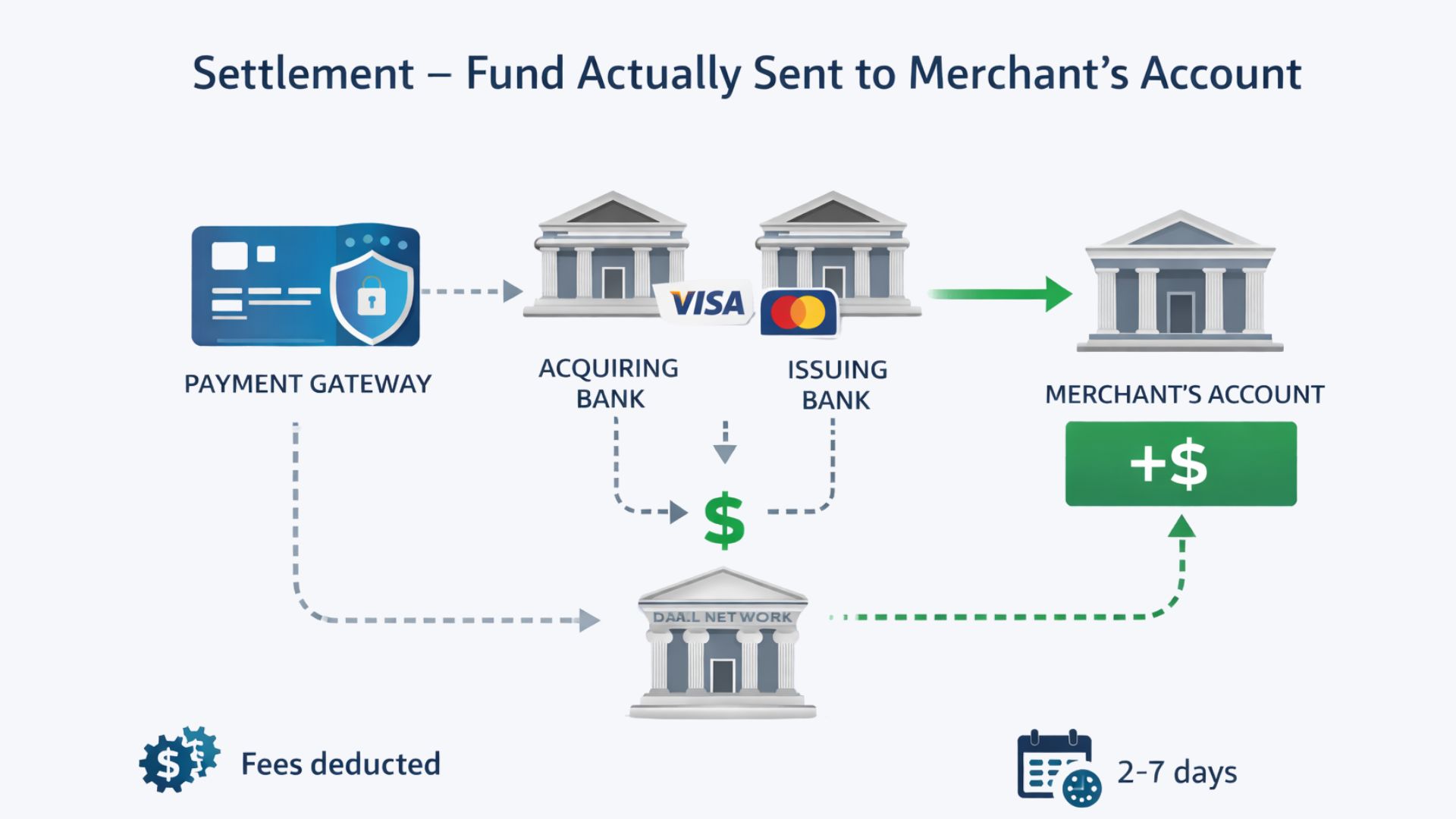
7. Settlement – When You Actually Receive the Money
This is the step most people misunderstand. Even if a payment is marked as successful, the money is not received immediately.
Typical processing times:
- Stripe: 2–7 days
- PayPal: Almost instant in-wallet, but withdrawal to a bank takes additional time
During this phase:
- Banks transfer the actual funds
- Fees are deducted (gateway fees, bank fees, network fees)
Common Misconceptions to Avoid
Payment gateway is a bank
Incorrect. It is only an intermediary for processing transactions.
Successful payment means instant money
Incorrect. Settlement takes time.
Stripe is holding your money
Not entirely true. Funds may be temporarily held for risk management and transaction validation.
Why Understanding This Matters
Knowing how payment gateways work with banks helps you:
- Improve payment approval rates
- Reduce the risk of fund holds
- Troubleshoot payment issues faster
- Choose the right payment gateway for your business model