
PayPal is one of the most widely used international payment gateways, especially for eCommerce sellers, freelancers, and cross-border businesses. However, many users face situations where their PayPal accounts are permanently limited or funds are held for up to 180 days. A locked PayPal account can seriously impact business operations and cash flow.
In this article, EasyPay onBoard explains how to recover a permanently limited PayPal account, the appeal process, and important tips to improve your chances of restoring the account.
What Does a Permanently Limited PayPal Account Mean?
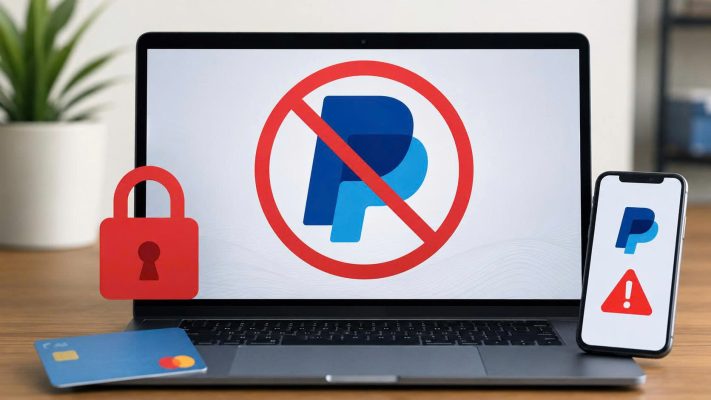
When PayPal detects activities considered risky or suspicious, the system may apply a permanent limitation to the account. This means the account can no longer send or receive payments normally.
In many cases, PayPal may hold the balance for up to 180 days before allowing withdrawals.
Some common reasons why PayPal accounts get permanently limited include:
- Unusual or high-risk transactions
- High dispute or chargeback rates
- Selling products or services restricted by PayPal policies
- Incomplete identity verification
- New accounts processing unusually large transaction volumes

Steps to Appeal a Permanently Limited PayPal Account
If your account has been limited, you may still submit an appeal directly to PayPal by providing the required verification documents.
Step 1: Check the Resolution Center
First, log in to your PayPal account and access the Resolution Center.
Here, PayPal will display:
- The reason for the account limitation
- Required verification documents
- Steps needed to complete the appeal process
Carefully reviewing these requirements will help you prepare the correct documents.
Step 2: Prepare Identity Verification Documents
PayPal usually requires identity verification documents to confirm the legitimacy of the account.
Accepted documents may include:
- National ID card
- Passport
- Driver’s license
Make sure the images are:
- Clear and high quality
- Showing all corners of the document
- Not blurred or edited
Step 3: Verify Your Address
In addition to identity verification, PayPal may also request proof of address.
Accepted documents often include:
- Bank statements
- Electricity bills
- Internet bills
- Water bills
These documents must:
- Match the name on the PayPal account
- Clearly display the address
- Be issued within the last 6 months
Step 4: Provide Transaction Evidence
For seller accounts, PayPal often requests proof that transactions are legitimate.
Useful supporting documents include:
- Tracking numbers
- Sales invoices
- Order information
- Service or product agreements
These documents help PayPal verify that the transactions are genuine and not related to fraudulent activity.
Step 5: Upload Documents to the Resolution Center
After preparing all required documents, upload them directly through the Resolution Center.
Important notes:
- Images must be clear and readable
- Information must match your PayPal account details
- Do not edit or falsify documents
PayPal may take anywhere from a few days to several weeks to review your case.
Step 6: Contact PayPal Support Directly
If your account is still not restored after submitting documents, you can contact PayPal support directly.
Common support methods include:
- Messaging through the Resolution Center
- Sending emails to PayPal support
- Calling PayPal customer service
Direct communication may help clarify the reason for the limitation and the possibility of recovery.
Can You Withdraw Funds After 180 Days?
In many cases, PayPal holds funds for 180 days to manage potential transaction risks.
After this period, PayPal may allow users to:
- Withdraw funds to a bank account
- Transfer remaining balances
However, this still depends on the account status and PayPal’s final decision.
Important Tips When Appealing a PayPal Limitation
Do Not Provide False Information
Submitting fake documents or inaccurate information can result in a permanent ban with no chance of recovery.
Avoid Creating a New Account Immediately
Many users try to create a new PayPal account using the same:
- Email address
- Visa/Mastercard
- Identity documents
PayPal’s system can detect duplicate information, and the new account may also get limited quickly.
Follow PayPal Policies
To reduce the risk of future limitations, users should:
- Fully verify their accounts
- Avoid restricted products or services
- Maintain low dispute rates
- Avoid receiving suspicious payments from unknown sources
How to Reduce the Risk of PayPal Limitations
To prevent future account issues, users should:
- Complete account verification early
- Avoid abnormal transaction activity
- Provide valid tracking numbers and order details
- Keep dispute and chargeback rates low
These practices help improve your account’s trust level within PayPal’s risk management system.
Conclusion
A permanently limited PayPal account is a common issue for online sellers and international businesses. However, in many situations, users can still appeal the decision or withdraw funds after 180 days by providing complete verification documents.
Preparing identity documents, bank statements, and transaction proof plays a key role in improving the chances of account recovery. At the same time, following PayPal policies and maintaining healthy account activity are essential for avoiding future limitations.