
PayPal disputes are one of the biggest risks for online sellers. Just a few complaints can lead to held funds, reduced account trust, or even account limitations. However, if you understand the process and respond correctly, sellers can minimize losses and protect their revenue. In this article, EasyPay onBoard will guide you through how to effectively handle PayPal disputes, helping you increase win rates and reduce long-term risks.
What Is a PayPal Dispute?
A PayPal dispute is a process where a buyer files a complaint about a transaction they are not satisfied with. PayPal then acts as a mediator between the buyer and the seller.
Disputes typically occur when:
- The customer did not receive the item
- The item is significantly different from the description
- The item is defective or damaged
- The transaction is suspected to be fraudulent
- The customer does not recognize the payment
When a dispute is opened, the transaction funds are usually held until a final decision is made.
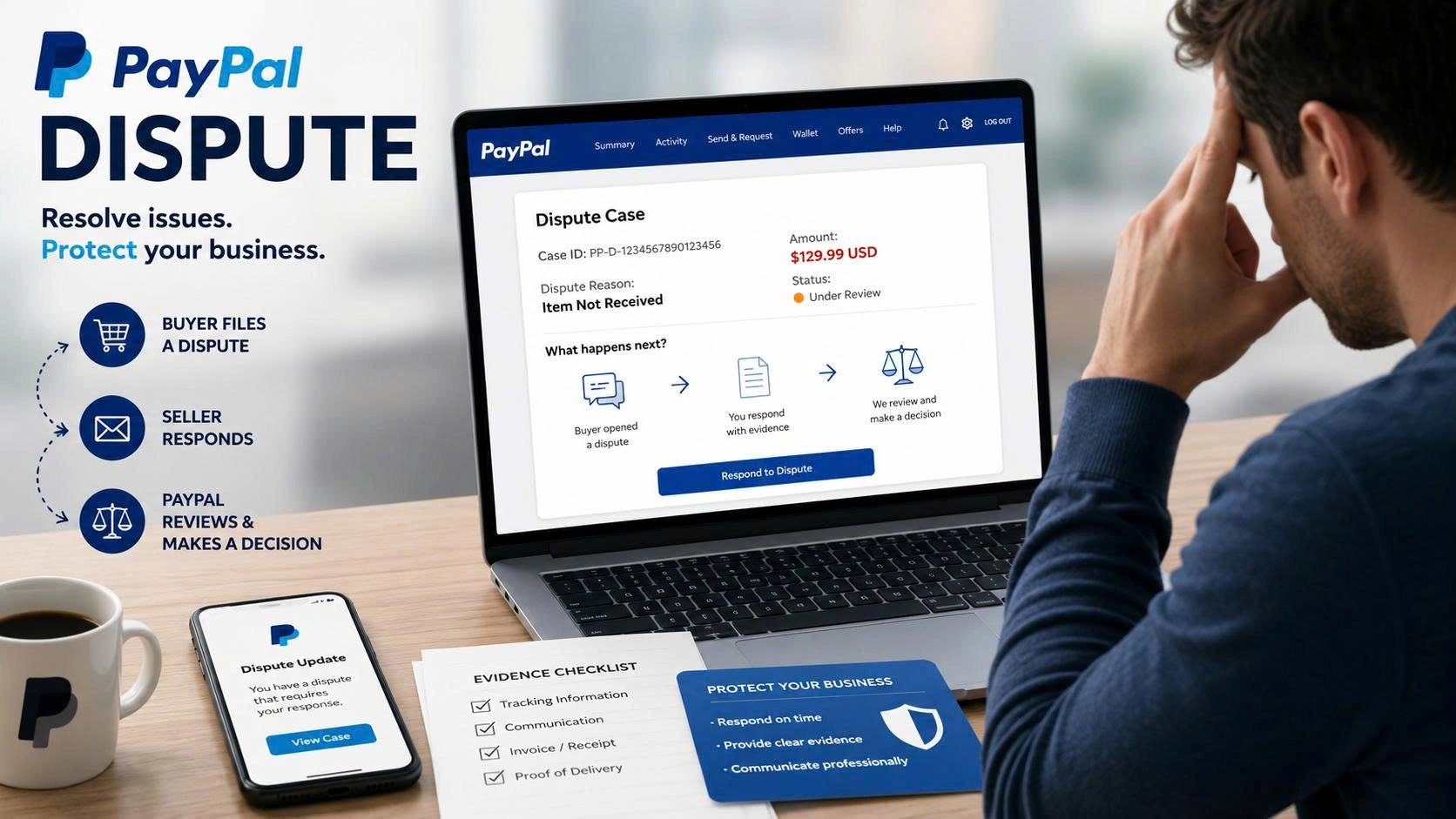
PayPal Dispute Process Sellers Should Understand
A PayPal dispute typically goes through three main stages:
1. Dispute (Initial Claim)
The buyer opens a dispute in the Resolution Center to report an issue. At this stage, both parties can still communicate and resolve the issue directly.
2. Claim (Formal Complaint)
If no agreement is reached, the dispute can be escalated to a claim. PayPal then reviews evidence from both sides and makes a final decision.
3. Chargeback
This is the most serious stage, when the buyer requests a refund through their bank. Chargebacks often involve additional fees and increase account risk levels. The earlier you respond (at the dispute stage), the higher your chance of controlling the outcome.
Common Types of PayPal Disputes
Understanding dispute types helps sellers respond correctly.
Item Not Received
The buyer claims they did not receive the product. Common causes include:
- Lost shipment
- Delivery delays
- Incorrect address
- Tracking not updated
Item Not as Described
The buyer claims the product does not match the description, such as:
- Different color
- Poor quality
- Wrong size
- Missing accessories
Unauthorized Transaction
The buyer claims they did not authorize the payment. This is often related to fraud or compromised accounts and is considered a high-risk dispute type.
How to Handle PayPal Disputes Effectively
1. Respond as Quickly as Possible
Once notified, respond within 24–48 hours. Ignoring or delaying responses can negatively affect PayPal’s evaluation of your account.
2. Communicate Politely With the Customer
Avoid arguments or blame. Always maintain a:
- Calm tone
- Respectful attitude
- Supportive approach
Many disputes can be resolved simply through clear communication and reasonable solutions.
3. Collect Complete Evidence
Stronger evidence increases your chances of winning. Important documentation includes:
- Tracking number
- Product photos before shipping
- Shipping invoices
- Customer communication records
- Proof of successful delivery
4. Handle Each Case Accordingly
For “Item Not Received”
- Provide valid tracking information
- Verify delivery status
- Show proof of delivery confirmation
- Offer reshipment or partial refund if needed
For “Item Not as Described”
- Match product description with listing
- Provide original product images
- Offer replacement or partial refund
For Unauthorized Transactions
- Provide IP logs and shipping address proof
- Show order history
- Demonstrate previous purchase behavior if available
5. Know When to Issue a Refund
Not every dispute should be fought. In some cases, refunding early is more beneficial:
- Low order value
- Weak evidence
- Highly aggressive customer behavior
Early refunds can help protect dispute rate and account reputation.
6. Write a Proper Response for PayPal
When a dispute escalates to a claim, your response should be structured and clear:
- Summary of the transaction
- Shipping details
- Attached evidence
- Requested resolution
Keep it concise, factual, and free of emotional language.
How PayPal Disputes Affect Seller Accounts
A high dispute rate can signal to PayPal that you are a high-risk seller. Consequences may include:
- Longer fund holds
- Delayed payouts
- Account limitations
- Reduced trust score
That’s why risk management is essential for long-term business stability.

Common Mistakes When Handling PayPal Disputes
Many sellers lose disputes due to avoidable mistakes:
- Failing to respond on time
- Providing incomplete evidence
- Arguing with customers
- Using invalid tracking numbers
- Ignoring PayPal notifications
Even small mistakes can lead to losing the case.
Conclusion
In summary, PayPal disputes are an unavoidable risk in online business, but they can be managed effectively if sellers understand the process and act correctly.
Proactive communication, strong evidence, fast responses, and transparent policies will significantly reduce dispute risks and protect your account in the long run.
When handled professionally, disputes not only help you retain revenue but also improve your business credibility and long-term sustainability.
EasyPay onBoard – Your success is our satisfaction