
In 2026, PayPal continues to introduce updates to its Auto Payment policies to improve transparency, security, and user control. These changes directly affect individuals, online businesses, Etsy sellers, Shopify stores, WooCommerce merchants, and anyone who regularly pays for international subscriptions.
If you use PayPal for automatic payments such as Netflix, Spotify, Adobe, hosting services, SaaS platforms, or mobile app subscriptions, this article from EasyPay onBoard will help you understand the new policy updates, how Auto Payments work, and how to avoid unexpected charges.
What Is PayPal Auto Payment?
Auto Payment (Automatic Payments) is a feature that allows a third-party merchant to automatically charge your PayPal account on a recurring basis or according to pre-authorized payment terms.
Examples include:
- Monthly subscription payments
- Automatic software renewals
- App subscriptions
- Membership websites
- Facebook and Google Ads payments
- Hosting and domain services
Once a user authorizes Auto Payment, the merchant can continue charging the account without requiring approval for every transaction.
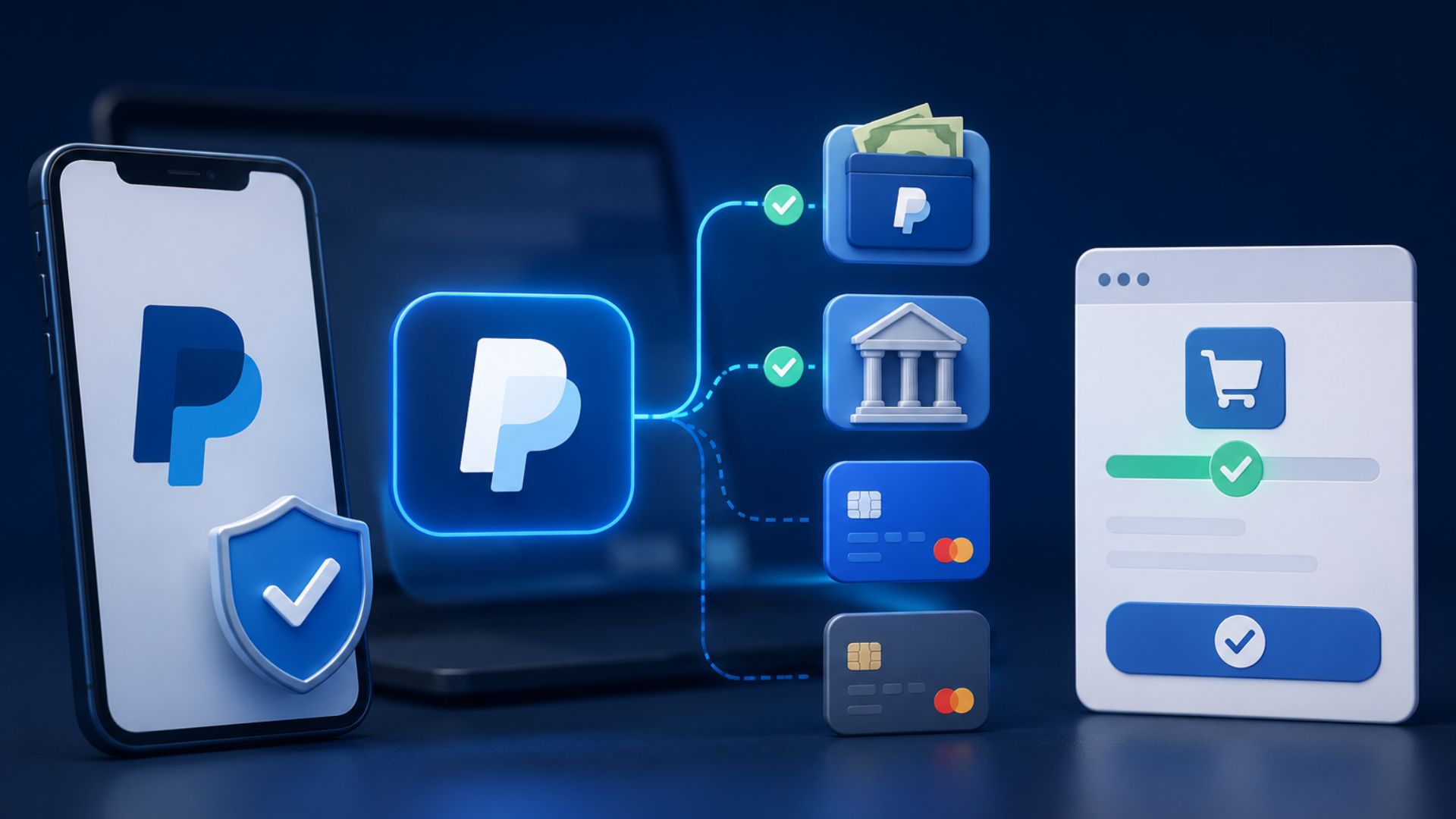
Why Is PayPal Updating Its Auto Payment Policy?
Over the past few years, PayPal has received increasing numbers of complaints related to:
- Unexpected charges
- Difficulty canceling subscriptions
- Merchants charging more than expected
- Automatic renewals without clear notifications
As a result, PayPal has introduced several changes aimed at:
- Giving users more control over recurring payments
- Reducing fraudulent transactions
- Improving subscription transparency
- Enhancing buyer protection
- Lowering dispute and chargeback rates
Real-World Impact on Sellers
While buyers benefit from these improvements, sellers will need to pay closer attention to risk management and compliance.
Recurring Billing Will Face More Scrutiny
Businesses that rely on recurring payments, including:
- Membership programs
- SaaS platforms
- Subscription boxes
- Recurring digital services
may face increased monitoring in areas such as:
- Billing transparency
- Customer consent verification
- Cancellation processes
- Unauthorized payment reports
Increased Risk of Disputes
Because PayPal can automatically switch between funding sources, buyers may sometimes overlook transactions and later file complaints such as:
- Unauthorized transactions
- Subscription confusion
- Billing disputes
- Unrecognized payments
What Sellers Should Do to Reduce Risk
To improve recurring billing performance, sellers should:
- Clearly display recurring payment terms
- Send reminder emails before renewals
- Make cancellation simple and accessible
- Improve customer support response times
- Closely monitor dispute rates
Key goals include:
- Reducing complaint rates
- Lowering abnormal refund activity
- Maintaining strong PayPal account health
PayPal Expands AI Payments and Agentic Commerce
What Is Agentic Commerce?
Agentic Commerce is a model in which AI systems can:
- Search for products
- Compare options
- Execute payments automatically
- Complete transactions on behalf of users based on granted permissions
This represents a significant advancement in automated commerce and payment systems.

What Is PayPal Making Public?
PayPal has expanded developer resources related to:
- AI-powered checkout systems
- AI payment assistants
- Commerce APIs for AI agents
- Merchant metadata optimization
- Automated fraud prevention
How Will This Affect Sellers?
1. Smarter Fraud Detection
AI systems can analyze:
- Customer behavior
- Checkout patterns
- Device signals
- Conversion quality
- Website trust indicators
more effectively than traditional systems.
2. More Advanced Seller Monitoring
PayPal may increase its evaluation of:
- Trademark risks
- Product legitimacy
- Refund behavior
- Delivery performance
- Chargeback frequency
- Domain consistency
3. Deeper Analysis of Website Metadata
AI-powered systems may evaluate:
- Product descriptions
- Legal pages
- Contact information
- Shipping policies
- Refund policies
- Landing page trust signals
- Merchant behavior consistency
Which Sellers Will Be Most Affected?
POD and Dropshipping Businesses
Higher risk factors include:
- Trademark-related content
- Shipping delays
- Overpromising advertising claims
- High refund rates
- Significant customer dissatisfaction
Digital Product Sellers
This includes:
- Software
- Online courses
- Templates
- Gaming top-ups
- Membership platforms
PayPal may pay closer attention to:
- Proof of delivery
- User complaints
- Refund frequency
- Billing transparency
Subscription-Based Businesses
Subscription businesses should prioritize improvements in:
- Recurring payment disclosures
- Cancellation procedures
- Customer communication
How Should Sellers Prepare for 2026?
Optimize Payment Performance
Focus on:
- Reducing decline rates
- Managing refunds effectively
- Lowering dispute rates
- Keeping chargebacks under control
- Diversifying payment solutions
Improve Website Trust Score
Your website should include:
- Clear refund policies
- Comprehensive terms of service
- Transparent contact information
- A clean and trustworthy domain
- Consistent branding
- Fast customer support
Monitor Key Metrics
Pay close attention to:
- Refund rate
- Chargeback rate
- Recurring payment dispute rate
- Account limitation warning signs
- Conversion stability
PayPal 2026: Opportunity or Risk?
Opportunities
- More stable checkout experiences
- Higher payment success rates
- AI-assisted conversion optimization
- Better buyer experiences
Risks
- Increased seller scrutiny
- Stricter compliance requirements
- Deeper metadata analysis
- Greater subscription-related risks
- Higher likelihood of account limitations for poorly managed businesses
Conclusion
The PayPal updates introduced in May 2026 indicate a clear shift from a traditional payment processor toward an AI-powered commerce ecosystem. As a result, sellers will need to raise operational standards across multiple areas, including transparency, website optimization, billing clarity, customer experience, and compliance management.
Businesses that proactively standardize their systems and processes will be in a stronger position to scale sustainably, reduce the risk of account holds or limitations, and take full advantage of PayPal’s evolving ecosystem in the years ahead.
EasyPay onBoard – Your success is our satisfaction