
Selling ebooks and digital books is an increasingly popular digital business model. Unlike physical products, ebooks do not require inventory, warehousing, or traditional shipping, allowing sellers to reach customers across different markets with relatively simple operations.
However, payment processing is one of the key factors sellers need to consider when running an ebook business. With PayPal, having a payment method is not enough. Sellers also need to ensure that their business model, website, products, and delivery process are clear and consistent with the requirements of the payment provider.
So, what does renting a PayPal payment gateway for selling ebooks actually mean? Is selling digital books through PayPal safe? What risks should sellers be aware of, and what should they prepare to reduce the possibility of payment reviews, holds, or disputes?
This article from EasyPay OnBoard provides a detailed overview.
What Is Renting a PayPal Gateway for Selling Ebooks?
Renting a PayPal payment gateway for selling ebooks generally refers to using a PayPal payment solution provided or supported by a third party to accept payments for ebooks and other digital products. Depending on the service model, the solution may help sellers connect PayPal with their online store, accept customer payments, and manage payment processing during daily operations. However, sellers should clearly distinguish between renting a payment solution, using their own business PayPal account, and using a payment model operated through an intermediary.
Before using any service, sellers should clarify important details such as:
- Who owns and controls the PayPal account.
- Who has access to the account.
- Transaction fees.
- Payout schedule.
- Hold or reserve policies.
- Responsibility for refunds and disputes.
- Conditions for terminating the service.
Understanding these terms in advance can help sellers avoid unexpected issues during business operations.
Why Do Sellers Use PayPal to Sell Ebooks?
Ebooks are particularly suitable for online businesses because they can be delivered digitally immediately after payment. Sellers do not need to manage physical inventory or shipping, and the delivery process can often be automated through email or a download system.
Some key advantages include:
- No physical inventory required.
- No traditional shipping costs.
- Automated digital delivery.
- Ability to sell internationally.
- Easy scalability without increasing physical inventory.
However, digital products also come with specific payment risks. Unlike physical products, ebooks usually do not have physical shipping records or tracking numbers. As a result, sellers need to pay close attention to delivery records, refund requests, customer support, and disputes.
Is Selling Ebooks Through PayPal Safe?
PayPal can be used for many types of goods and services, but whether a particular business is accepted depends on factors such as the product, business model, market, account status, and applicable policies at the time.
Therefore, sellers should not assume that every type of ebook will automatically be approved.
The ebook should be legally sold, and the seller should have the necessary ownership or distribution rights.
Extra care may also be required for ebooks related to sensitive areas such as finance, investment, trading, health, or money-making opportunities. Marketing claims should be accurate and should not create misleading expectations for customers.
What Can Cause a PayPal Ebook Business to Be Reviewed?
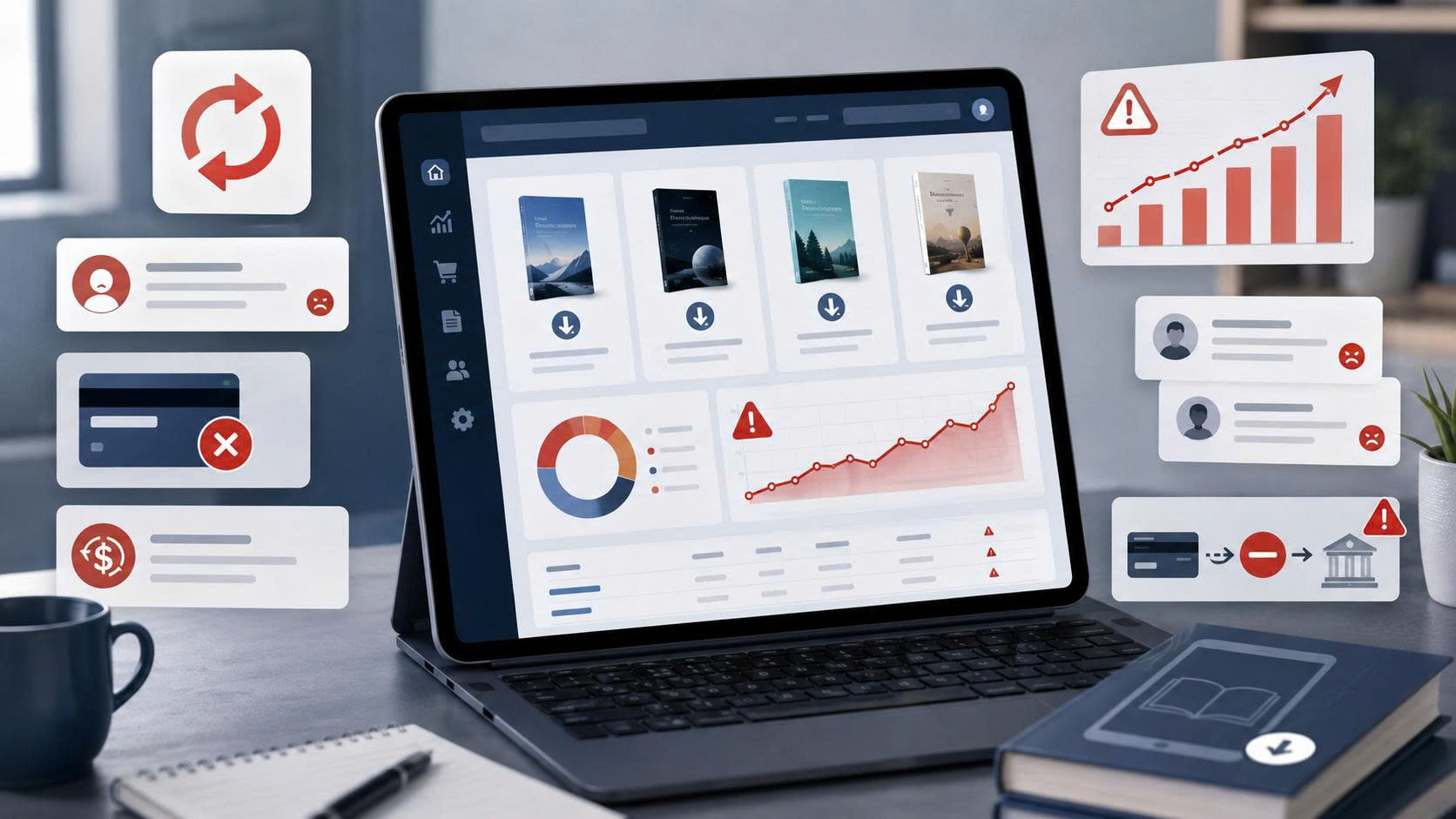
Selling digital products does not automatically mean that a PayPal account will be restricted. However, certain factors can increase the likelihood of additional payment risk assessment.
1. Sudden Revenue Growth
A new account that quickly generates a significantly higher transaction volume may receive additional scrutiny regarding its business activity and source of revenue.
For example, if an account previously processed a low volume but suddenly experiences a substantial increase in transactions, the seller should be able to explain the reason for the growth and provide relevant business information if requested.
Rapid growth itself does not necessarily indicate a problem, but unexplained changes in transaction patterns can increase the need for verification.
2. High Refund or Dispute Rates
Digital products have their own unique dispute risks.
Customers may file complaints because:
- They did not receive the ebook.
- The download link was never delivered.
- The download link does not work.
- The product does not match its description.
- The content does not meet their expectations.
- Customer support did not resolve the issue.
If these problems occur frequently, refund and dispute rates may increase, which can negatively affect the payment risk profile of the business.
3. An Incomplete Website
An ebook website should clearly explain what the business sells and how the customer receives the product. A website with only a basic landing page and limited business information may make it difficult for customers and payment providers to understand the business.
An ebook store should generally include essential pages such as:
- About Us
- Contact Us
- Product Pages
- Refund Policy
- Privacy Policy
- Terms & Conditions
- Delivery Policy
For digital products, the Delivery Policy should clearly explain how customers receive the ebook after payment.
4. An Unclear Business Model
A business description such as “Digital Products” or “Online Business” may not clearly explain the actual business activity.
Sellers should be able to clearly explain:
- What type of ebooks they sell.
- Who their target customers are.
- Where the products are sold.
- Their average order value.
- How customers receive the products.
- Their primary source of revenue.
- How the payment gateway is used.
The more consistent and transparent the information is, the easier it is to understand the actual business model.
5. Copyright Issues
Copyright is another important consideration when selling ebooks. Sellers should only sell content that they own or have the legal right to distribute. Copying someone else’s book, scanning copyrighted materials, or reselling content without proper authorization can create significant legal and payment-related risks. Before listing an ebook for sale, sellers should make sure they have the appropriate rights to distribute the content.

What Should an Ebook Website Include?
A professional website does more than improve conversion rates. It also helps customers understand the business and product before making a payment.
Product Page
Each ebook product page should provide clear information, including:
- Book title.
- Author.
- Main topic.
- Key content.
- File format.
- Language.
- Price.
- Delivery method.
Product descriptions should be specific and should avoid unsupported promises or claims.
Delivery Policy
Because ebooks are delivered digitally rather than through traditional shipping, the website should clearly explain the delivery process. For example, after successful payment, the customer may receive an email containing a download link or access to their account. Sellers should also have a process for handling failed deliveries, missing emails, or broken download links.
Refund Policy
The Refund Policy should be easy to find and clearly explain the conditions for requesting a refund.
It may cover:
- Refund eligibility.
- Request deadlines.
- Contact methods.
- Download problems.
- Situations where the product was not delivered.
The policy should also be consistent with applicable laws and the payment provider’s policies.
Terms & Conditions
Terms & Conditions should clearly define how customers can use the ebook, intellectual property rights, and other relevant conditions. This is particularly important for digital products because ebooks can be easily copied or redistributed.
How to Reduce Payment Risks When Selling Ebooks Through PayPal
There is no way to guarantee that a PayPal account will never undergo a review or limitation. However, sellers can take several steps to reduce avoidable risks.
Build a Consistent Business Profile
Information across the website, business documents, and payment account should be consistent, including:
- Business name.
- Business activity.
- Website.
- Contact information.
- Product category.
Inconsistent information can make the business more difficult to understand during verification.
Build a Reliable Delivery Process
Sellers should maintain records of orders and digital delivery.
Useful records may include:
- Order ID.
- Payment status.
- Delivery time.
- Email delivery records.
- Download or access records.
These records can help demonstrate that the product was delivered if a transaction needs to be reviewed.
Monitor Customer Support
Payment management should not stop after receiving the customer’s money.
Sellers should regularly monitor:
- Refund rate.
- Dispute rate.
- Customer complaints.
- Failed deliveries.
- Download issues.
Effective customer support can resolve problems before they escalate into payment disputes.
Control Marketing Claims
If an ebook covers finance, trading, business, or money-making topics, advertising claims should be accurate and supported by the actual product.
Claims such as guaranteed income or unrealistic promises can create false expectations and potentially lead to customer dissatisfaction, refunds, and disputes.
Should You Rent a PayPal Payment Gateway for Selling Ebooks?
This depends on the seller’s business situation and whether the business is eligible to register and operate its own payment account. If a business is eligible to use PayPal directly, owning and controlling its own payment account generally gives the seller greater control over payment operations. If a seller chooses to use a third-party payment solution, it is important to understand the arrangement before processing transactions.
Key questions include:
- Who owns the account?
- Who controls the account?
- How are payouts processed?
- What are the fees?
- What are the hold or reserve terms?
- Who handles disputes?
- What happens if the service is terminated?
Sellers should also avoid providing inaccurate information or hiding their actual business model in an attempt to bypass verification or risk assessment processes.
Checklist Before Selling Ebooks Through PayPal
Before launching an ebook business, sellers should check the following:
- Business information is clear and consistent.
- The seller has the legal right to distribute the ebooks.
- The website is functional and professional.
- Product descriptions are clear.
- Contact Us page is available.
- Refund Policy is available.
- Privacy Policy is available.
- Terms & Conditions are available.
- Delivery Policy is appropriate for digital products.
- Ebook delivery works properly.
- Customer support is available.
- Marketing claims are accurate.
- The business model can be clearly explained.
- Relevant business documents can be provided if verification is required.
Conclusion
Renting a PayPal payment gateway for selling ebooks and digital books may be a solution that some sellers consider when building a digital product business. However, the payment gateway is only one part of the overall business operation.
For more stable ebook sales, sellers should build a clear business model, maintain a transparent website, sell legally authorized products, establish a reliable delivery process, and provide clear refund and customer support policies. Most importantly, sellers should not focus only on finding a PayPal gateway that can receive payments. The bigger question is whether the entire business is clear and transparent enough for both customers and the payment provider to understand.
A reliable payment setup needs to be supported by a well-structured and transparent business. That foundation can help sellers reduce unnecessary payment reviews, disputes, and operational problems as the business grows.
EasyPay onBoard – Your success is our satisfaction