
For online sellers using PayPal, few things are as stressful as seeing a dispute notification appear in your dashboard. Whether you’re running Shopify, doing POD, international dropshipping, or selling digital services, understanding how PayPal handles disputes is crucial to protecting your revenue and account security. Three concepts that sellers often confuse are: dispute, claim, and chargeback. They are related but completely different. Each stage has a different process, level of risk, and handling method.
This article EasyPay onBoard will help you understand the differences between disputes, claims, and chargebacks in PayPal, how each process works, and what sellers should do to reduce risk.
What Is a Dispute in PayPal?
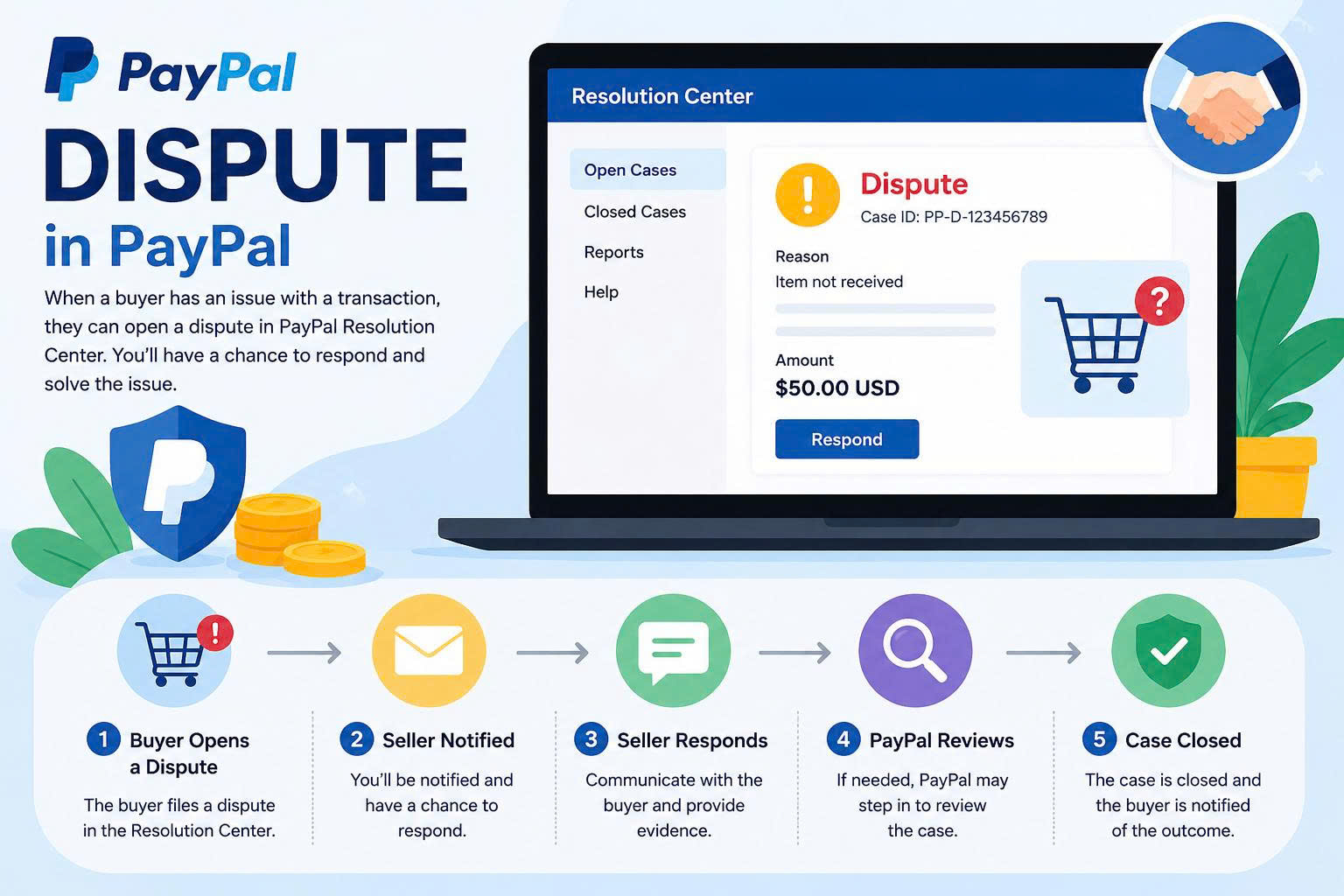
A dispute is the first stage of a buyer complaint inside PayPal.
It happens when a buyer reports a problem with a transaction through the PayPal Resolution Center. Common reasons include:
- Item not received
- Item significantly not as described
- Damaged product
- Wrong item received
At this stage, the issue remains entirely within PayPal’s system. The buyer’s bank or card issuer is not involved yet.
How the Dispute Process Works
When a dispute is opened:
- The transaction amount may be temporarily held
- Buyer and seller can communicate directly
- Both sides can upload evidence
- Sellers may offer refunds, replacements, or partial refunds
- The case can often be resolved without escalation
Think of a dispute as an “early warning stage.” PayPal is essentially providing a communication platform where both parties can attempt to solve the issue before formal intervention happens.
Why Disputes Matter
Many sellers underestimate disputes because they seem informal compared to chargebacks. However, disputes are important because:
- Unresolved disputes can escalate into claims
- High dispute rates may increase account risk
- Poor handling can damage seller reputation
The faster and more professionally you respond, the higher the chance of resolving the issue before it becomes more expensive.
What Is a Claim in PayPal?
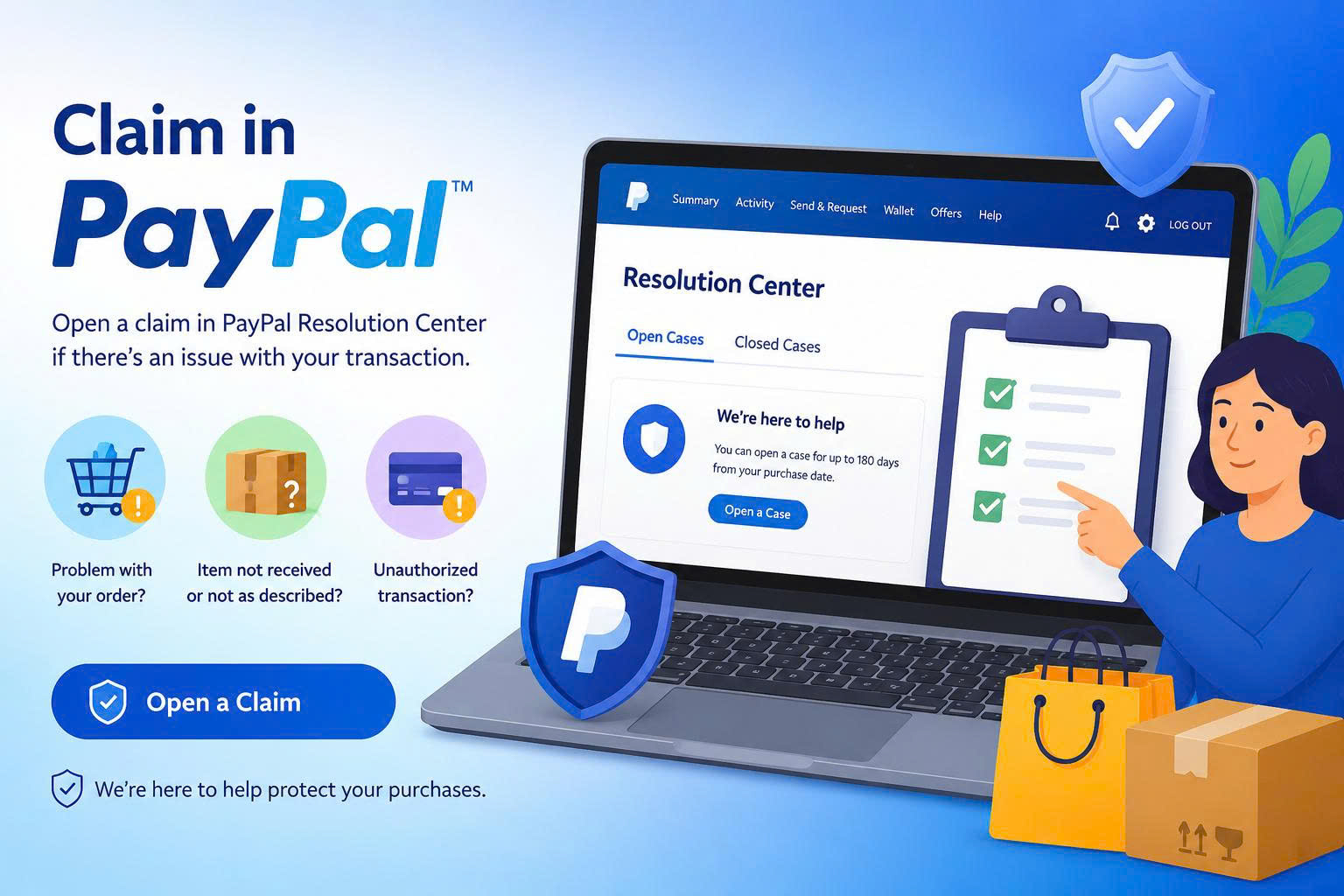
A claim happens when a dispute is escalated.
This escalation may happen because:
- The buyer manually escalates the case
- The seller fails to respond in time
- The dispute reaches PayPal’s deadline automatically
Once a dispute becomes a claim, PayPal officially steps in to investigate and decide the outcome.
What Happens During a Claim?
At claim stage:
- PayPal acts as the decision-maker
- Both sides submit evidence
- Funds are usually held during review
- PayPal determines who receives the money
PayPal reviews factors such as:
- Tracking numbers
- Proof of shipment
- Proof of delivery
- Shipping address accuracy
- Communication logs
- Product descriptions
- Transaction eligibility
Unlike disputes, claims are no longer simple conversations. They become formal investigations.
Why Seller Protection Matters
PayPal Seller Protection becomes extremely important during claims.
To qualify, sellers generally need:
- Proof of shipment or delivery
- Shipment to the address shown in the PayPal transaction
- Eligible transaction type
- Valid tracking information
If your transaction qualifies for Seller Protection, PayPal is more likely to side with you.
Without proper documentation, winning a claim becomes much harder.
What Is a Chargeback?
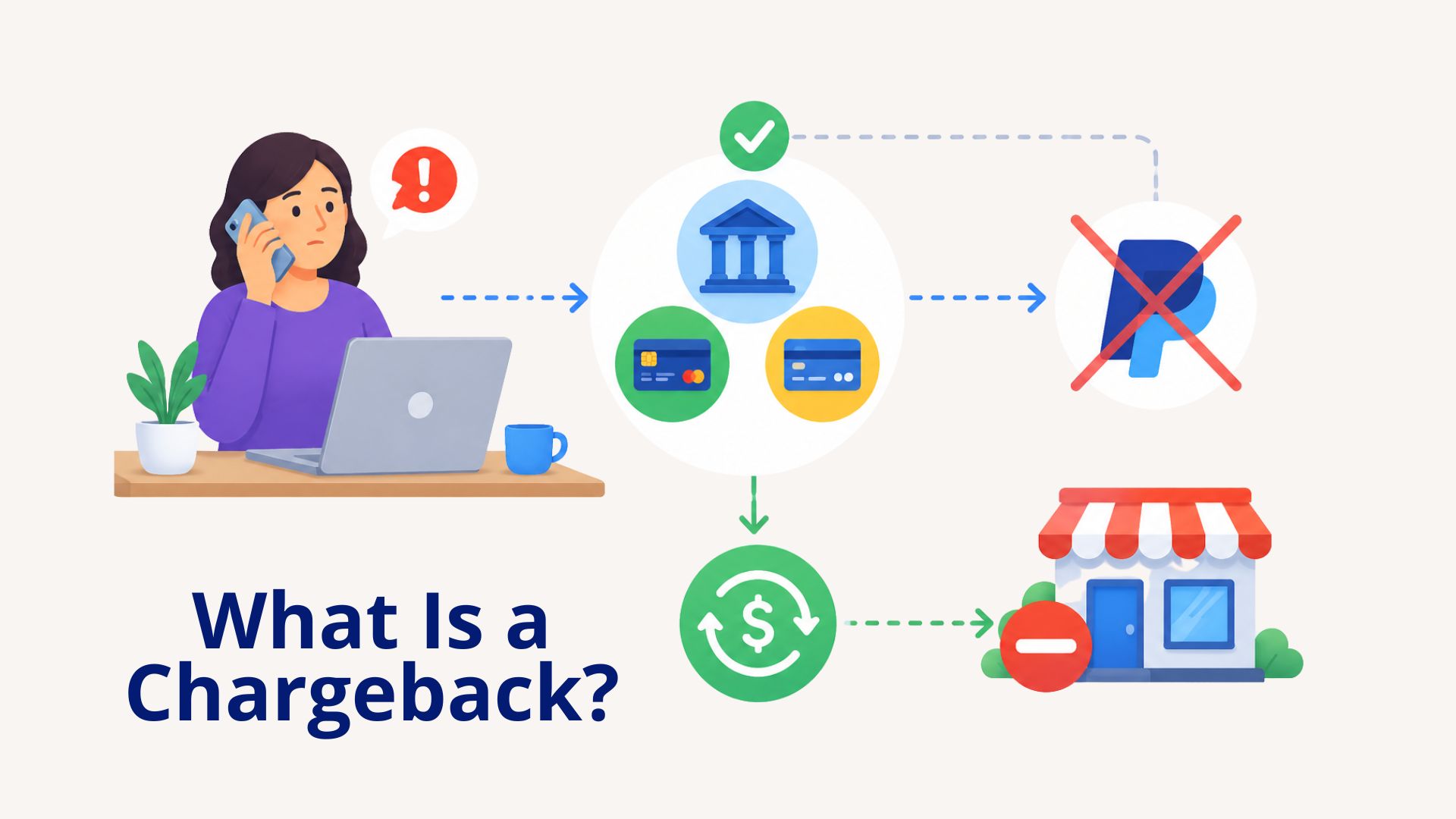
A chargeback is different from both disputes and claims because the buyer goes outside PayPal entirely.
Instead of opening a complaint inside PayPal, the buyer contacts their:
- Credit card issuer
- Debit card provider
- Bank
The financial institution then starts a formal chargeback process.
How Chargebacks Work
When a chargeback occurs:
- The bank contacts PayPal
- PayPal notifies the seller
- The seller submits evidence
- PayPal forwards evidence to the bank
- The bank makes the final decision
This is a major difference from claims.
In chargebacks, PayPal is not the final authority. The bank or card issuer decides the outcome.
Why Chargebacks Are Riskier
Chargebacks are often more damaging because they can involve:
- Additional merchant fees
- Revenue loss
- Higher account risk
- Increased reserve requirements
- Potential payment processing restrictions
Too many chargebacks may also affect your long-term ability to process payments smoothly. For Ecommerce businesses scaling aggressively, chargeback management becomes a critical operational issue.
How Sellers Can Reduce PayPal Disputes and Chargebacks
While no seller can completely eliminate disputes, smart operational systems can reduce them significantly.
1. Use Clear Product Descriptions
Misleading product pages are one of the biggest causes of disputes.
Make sure your listings clearly explain:
- Product details
- Sizes
- Materials
- Shipping times
- Refund conditions
For POD and dropshipping businesses, setting realistic expectations is especially important.
2. Always Use Tracking
Tracking information is one of the strongest forms of seller evidence.
Without valid tracking:
- Seller Protection may not apply
- Claims become harder to win
- Chargeback defense weakens
Always upload tracking numbers promptly.
3. Ship to the Correct Address
PayPal Seller Protection usually only applies if you ship to the address shown in the transaction details.
Shipping elsewhere increases risk dramatically.
4. Maintain Communication Logs
Keep records of:
- Customer emails
- Support tickets
- Refund discussions
- Delivery updates
Good documentation helps during claims and chargebacks.
5. Respond Quickly
Ignoring disputes is one of the worst mistakes sellers make. Fast responses show professionalism and often prevent escalation. Even if the buyer is upset, proactive communication can reduce the chance of a formal claim or bank dispute.
Why Payment Risk Management Matters for Ecommerce Sellers
As Ecommerce businesses scale, payment risk becomes increasingly important.
Many sellers focus heavily on:
- Advertising
- Product sourcing
- Conversion rates
But operational stability often depends on:
- Low dispute rates
- Strong documentation
- Proper payment workflows
- Reliable fulfillment systems
A profitable store with poor dispute management can quickly run into payment holds, reserves, or account limitations.
Conclusion
Disputes, claims, and chargebacks are all part of selling with PayPal, but they operate at different levels of risk and escalation.
A dispute is an early-stage issue that can often be resolved through communication. A claim is a formal review where PayPal makes the final decision. A chargeback is the most serious stage, handled by the buyer’s bank rather than PayPal.
For sellers, the outcome depends less on the case itself and more on preparation. Clear product information, valid tracking, strong documentation, and fast responses significantly reduce the chance of escalation.
In short, understanding these stages and managing them properly is essential to protecting revenue and maintaining long-term business stability.
EasyPay onBoard – Your success is our satisfaction