
PayPal 2026 Is No Longer a Wallet – It’s a Financial “Police” System – For many years, PayPal was seen as a convenient digital wallet for freelancers, , international sellers, and online entrepreneurs. But entering 2025, PayPal has fundamentally shifted its role. It is no longer just a wallet it now operates as a strict financial monitoring system, with the power to control cash flow, transaction behavior, and even users’ livelihoods. In this article, EasyPay onBoard analyzes the reality of PayPal in 2026, why so many accounts get limited, funds held or frozen, and what online sellers must do to survive safely in this new ecosystem.
Why PayPal Had to Become a “Financial Police”
PayPal didn’t change its role to make things harder for sellers it was forced to evolve to survive within the global financial system. By 2025, PayPal faces immense pressure from legal regulations, financial risks, and growing e-commerce fraud, making the old “simple payment intermediary” model no longer viable.
First, PayPal is under increasingly strict global regulations related to anti-money laundering (AML), identity verification (KYC), and consumer protection – especially in the US and Europe. Regulators no longer accept platforms that only process transactions without monitoring the source of funds, user behavior, and associated risks. This forces PayPal to proactively monitor rather than react after problems occur.
Second, fraud in cross-border e-commerce has surged. Business models like dropshipping, digital products, and subscriptions share a common trait: customers pay upfront and receive value later, which leads to higher refund and dispute rates. As disputes increase, PayPal faces not only financial risk but also legal exposure if it is seen as “lacking control.”
More importantly, PayPal often bears the financial risk directly in disputes. In many cases, PayPal refunds the buyer first to protect user experience and comply with regulations, then resolves the issue with the seller afterward. This forces PayPal to prevent risks early instead of waiting for fraud to happen.
As a result, PayPal has had to transform from a payment intermediary into a proactive financial risk management system. This shift is not meant to punish sellers, but to reduce risk within an increasingly scrutinized payment environment.
Risk Score – The Invisible Profile Sellers Never See
Every PayPal account has an internal risk score that sellers cannot access. This score directly affects:
-
Payment release speed
-
Withdrawal capability
-
Likelihood of holds or limitations
-
Level of scrutiny when revenue fluctuates
A high risk score means stable cash flow. A low score makes accounts more likely to be restricted even if the seller has no fraudulent intent.
Why Accounts Get Limited Even Without Scamming
This is why many legitimate sellers still face issues with PayPal. Certain behaviors are commonly flagged as risky:
-
Scaling ads too quickly
-
Sudden revenue spikes without stable history
-
Short-term increases in refund rates
-
Slow shipping or inconsistent tracking
-
Lack of transparency on website (shipping & refund policies)
PayPal’s system operates on a preventive logic. When AI detects patterns similar to fraud, it acts before damage occurs.
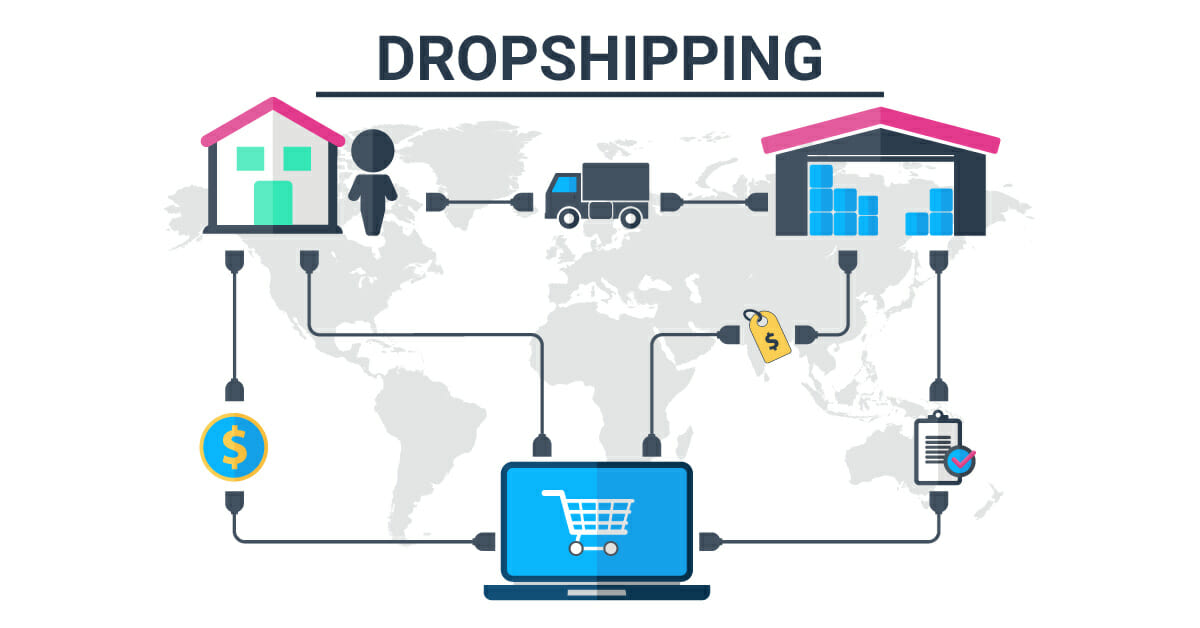
Why Dropshipping Is Heavily Scrutinized
Dropshipping is not banned by PayPal, but it carries structural risks:
-
Sellers don’t control inventory
-
Long shipping times
-
Dependence on suppliers and logistics
-
Customers pay first, receive later
From PayPal’s perspective, all risks fall on the seller. Blaming suppliers or carriers does not reduce the risk score. That’s why many stores experience:
-
Consistent orders
-
Profitable ads
-
Yet funds are held and cannot be withdrawn
PayPal 2026 Punishes Risk, Not Just Fraud
PayPal doesn’t wait for clear fraud to occur. A typical process looks like:
-
Detect unusual behavior
-
Hold funds to protect buyers
-
Review the account
-
Request tracking, documents, explanations
-
Limit or suspend if risk is not reduced
In this system, even legitimate sellers can be affected because PayPal’s top priority is protecting the payment ecosystem.
What Mindset Sellers Must Change in 2026
In the past, many sellers operated with a simple mindset: get orders, wait out holds, scale first and deal with issues later. This worked when payment systems prioritized speed and flexibility. But in 2026, that mindset no longer works. With PayPal 2026, payment safety matters more than rapid growth. Revenue only has value if cash flow is consistently released.
Sellers must shift to:
-
Controlled and sustainable scaling
-
Full transparency in shipping and refund policies
-
Proactive customer service to reduce disputes
-
Treating risk management as a core daily operation
You can’t control PayPal’s algorithm but you can control how you operate to reduce risk before the system intervenes.
Conclusion
PayPal 2026 is no longer a simple intermediary but has become a proactive financial risk management system where every merchant’s operational activity is continuously recorded and evaluated. In this context, sales or revenue are no longer the deciding factors; instead, the ability to control risk, operational transparency, and a consistent customer experience are key to maintaining long-term cash flow. Merchants who understand how PayPal scores and proactively adjust their actions will have a clear advantage over those who still operate with outdated thinking. In the PayPal 2026 ecosystem, merchants are not judged by how much they sell, but by how well they control risk.
Source: EasyPay onBoard – Your success is our satisfaction.