

For many years, Stripe has been known as one of the most powerful payment gateways for websites, SaaS, and eCommerce platforms. However, in recent years, Stripe has been making a major strategic shift. Instead of being just a payment gateway, Stripe is evolving into a comprehensive financial operating system for online businesses. This strategy is called the All-in-One Payment System. It means Stripe aims to provide the entire financial infrastructure for eCommerce and SaaS within a single ecosystem. In this article, EasyPay onBoard breaks down what Stripe is building, why this strategy matters, and how it will impact eCommerce, POD, dropshipping, and digital product businesses in the coming years.
What Is Stripe’s All-in-One Payment System?
The All-in-One Payment System is a model where Stripe handles the entire payment and financial stack of an online business within one platform. In the past, building an eCommerce or SaaS system required multiple tools:
-
Payment gateway: Stripe or PayPal
-
Tax calculation: TaxJar or Avalara
-
Fraud detection: Sift or Riskified
-
Subscription billing: Recurly or Chargebee
-
Checkout system: custom-built by developers
-
Customer support: Zendesk
Using too many tools made systems complex, expensive, and prone to technical issues. Stripe recognized this problem and is building a unified system that includes:
-
Payment processing
-
Checkout system
-
Subscription management
-
Tax calculation
-
Fraud detection
-
Dispute handling
-
Reporting & analytics
-
Partial payment-related customer support
This transforms Stripe from a simple payment gateway into a full financial platform.
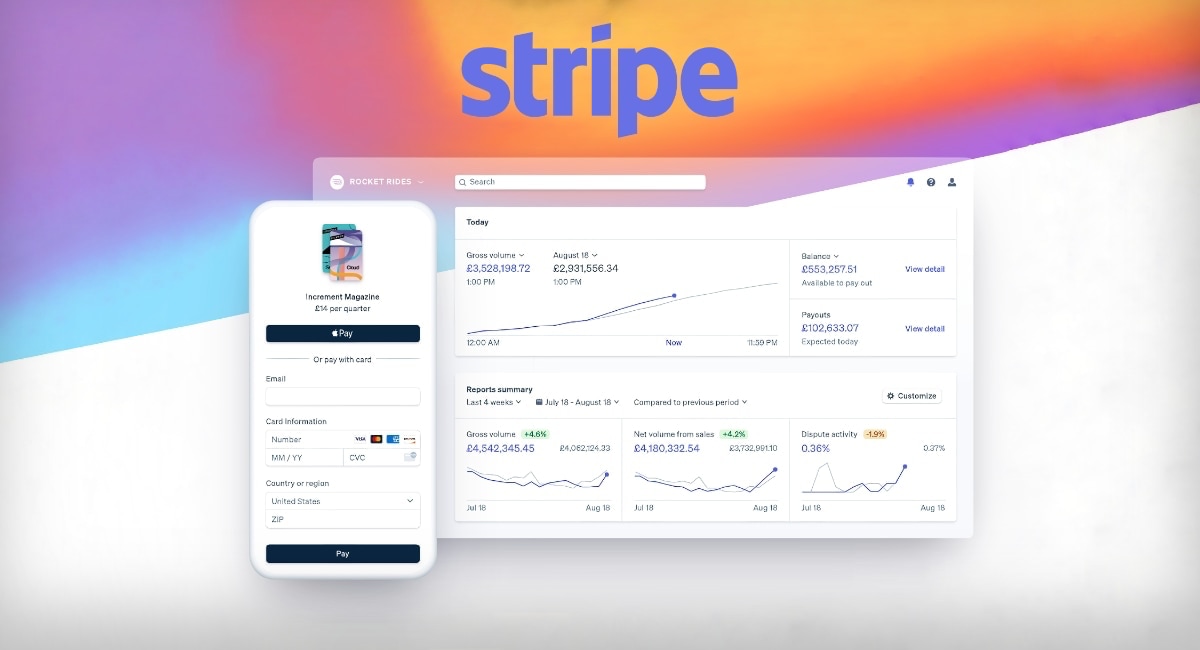
How the Payment Ecosystem Has Changed
Old Model: Fragmented Tool Stack
Previously, eCommerce businesses had to combine multiple tools:
-
Stripe for payments
-
Chargebee for subscriptions
-
TaxJar for taxes
-
Zendesk for support
-
Sift for fraud detection
Each tool had its own cost, and integrating them often caused technical challenges.
New Model: One Unified System
Stripe is moving toward consolidating all these functions into a single platform. Businesses can manage:
-
Payments
-
Taxes
-
Subscriptions
-
Fraud
-
Disputes
-
Financial reporting
This significantly reduces operational complexity.
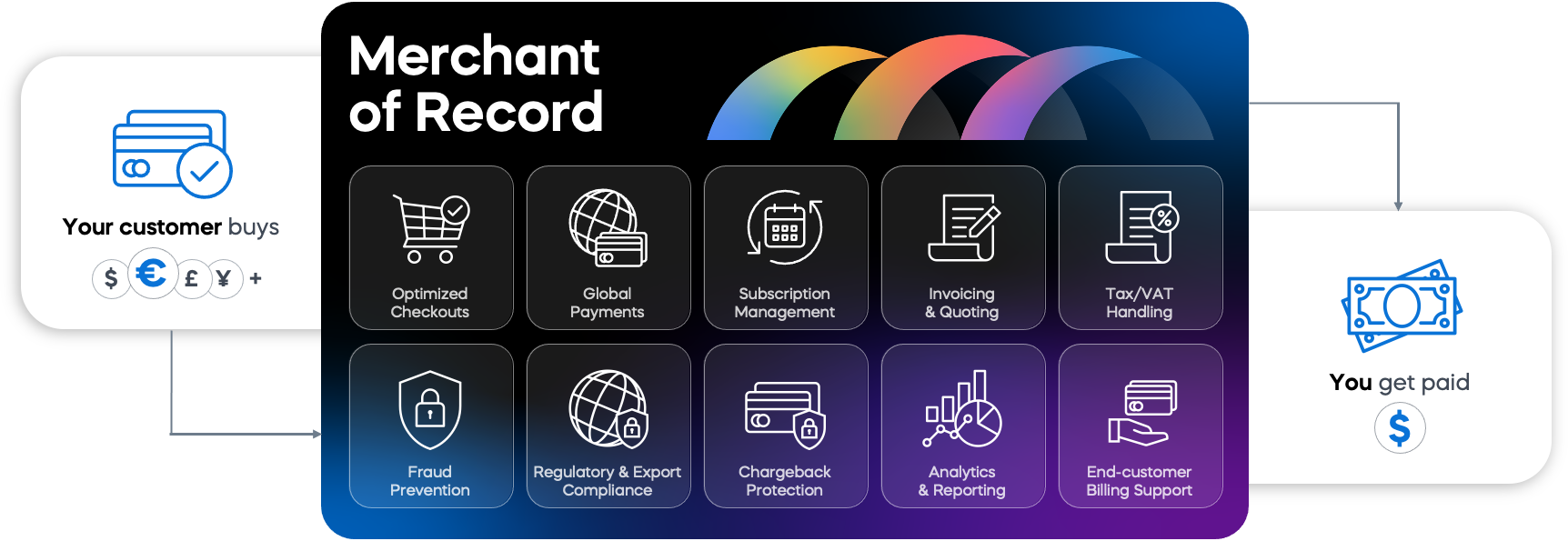
Stripe Managed Payments & Merchant of Record (MoR)
One of Stripe’s biggest advancements is Managed Payments with Merchant of Record (MoR). Merchant of Record means Stripe becomes the legal entity handling transactions. In this model, Stripe takes responsibility for:
-
Global tax handling
-
Legal compliance
-
Fraud detection
-
Dispute management
-
Payment-related customer support
This allows businesses to focus mainly on product and marketing, while Stripe handles complex regulatory and financial processes.
Benefits of Merchant of Record
Easier Global Selling
Stripe can handle taxes and compliance across multiple countries, allowing businesses to sell internationally without setting up entities in each market.
Reduced Legal Risk
Global tax laws and regulations are complex. By handling these, Stripe significantly reduces legal exposure for businesses.
Faster Market Expansion
With MoR, businesses can quickly enter new markets without building their own legal infrastructure.
The Full Stack Stripe Is Building
To become the financial operating system of the internet, Stripe is developing a massive ecosystem:
Payments Core
Supports 100+ payment methods globally, with AI optimizing checkout success rates
Checkout & No-Code Payments
Tools like:
-
Stripe Checkout
-
Payment Links
Allow businesses to accept payments even without a fully developed website.
Billing & Subscriptions
Stripe Billing supports subscription models like SaaS and memberships. Currently, over 200 million subscriptions run on Stripe.
Tax & Compliance
Stripe Tax automatically calculates and collects taxes based on each country’s regulations critical for global expansion.
Fraud & Risk Management
Stripe Radar uses AI to detect fraud in real time, reducing fraudulent transactions and chargebacks.
Financial Infrastructure Expansion
Stripe is expanding into:
-
Stablecoin payments
-
AI payment optimization
-
Financial services infrastructure
These moves show Stripe is going far beyond a traditional payment gateway.
Why Stripe Is Building This System
Stripe understands that the biggest challenges for online businesses are not selling tools, but:
-
International taxes
-
Legal compliance
-
Fraud and disputes
-
Cash flow management
-
Global expansion
By offering a complete financial system, Stripe helps businesses solve all these problems in one place.
Impact on eCommerce and POD
For POD, dropshipping, and global eCommerce sellers, Stripe’s new strategy could significantly change operations. Previously, sellers had to manage:
-
Taxes across multiple countries
-
Disputes and chargebacks
-
Fraud
-
Legal compliance
With Stripe’s new model, many of these tasks can be automated. This allows sellers to focus on:
-
Marketing
-
Product development
-
Brand building

Risks of the All-in-One System
Despite its advantages, this model also has risks:
Platform Dependency
Relying entirely on Stripe means that if your account is limited or funds are held, your entire business can be affected.
Higher Costs
Merchant of Record models often come with higher fees, typically around 3–7%, depending on the service.
Conclusion
Stripe is evolving from a simple payment gateway into a financial operating system for the internet. With its All-in-One Payment System strategy, Stripe aims to provide the entire financial infrastructure for eCommerce and SaaS within a single platform. This shift can help online businesses expand globally faster, reduce legal risks, and streamline operations. However, relying too heavily on one platform also introduces certain risks that businesses must consider. In the future, Stripe could become one of the most important platforms in the internet economy playing a role similar to Shopify in eCommerce or AWS in technology infrastructure.
Source: EasyPay onBoard – Your success is our satisfaction.