
Many POD and dropshipping sellers eventually receive a PayPal notification stating that PayPal is holding a reserve on their account. A common scenario is a $40,000 minimum reserve combined with a 30% rolling reserve on new transactions.
While this does not mean your funds are lost, it can significantly impact cash flow and limit your ability to scale. In this article, EasyPay onBoard explains what a PayPal reserve is, why it happens, and what you can do to reduce or remove it.
What Is a PayPal Reserve?
A reserve is an amount of money that PayPal temporarily holds to cover potential risks such as:
- Chargebacks
- Customer disputes
- Refunds
- Fraud-related claims
In simple terms:
- PayPal is not suspending your account
- Your funds are not being confiscated
- PayPal is simply holding part of your balance as a risk management measure
For example, a seller may have:
- Total account balance: $47,000+
- Minimum reserve: $40,000
- Additional rolling reserve: 30% of incoming transactions
This combination can significantly restrict available funds for daily operations.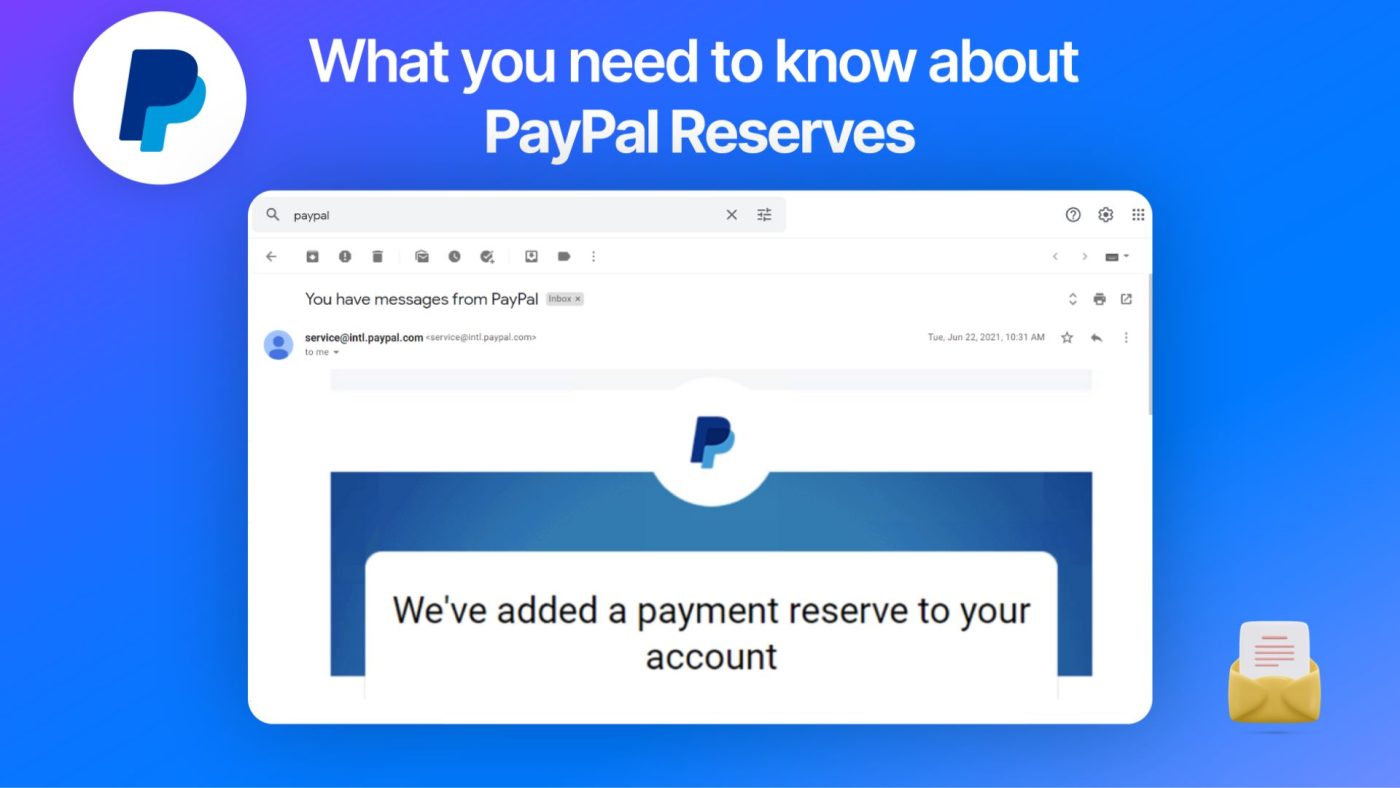
The Two Main Types of PayPal Reserves
1. Rolling Reserve
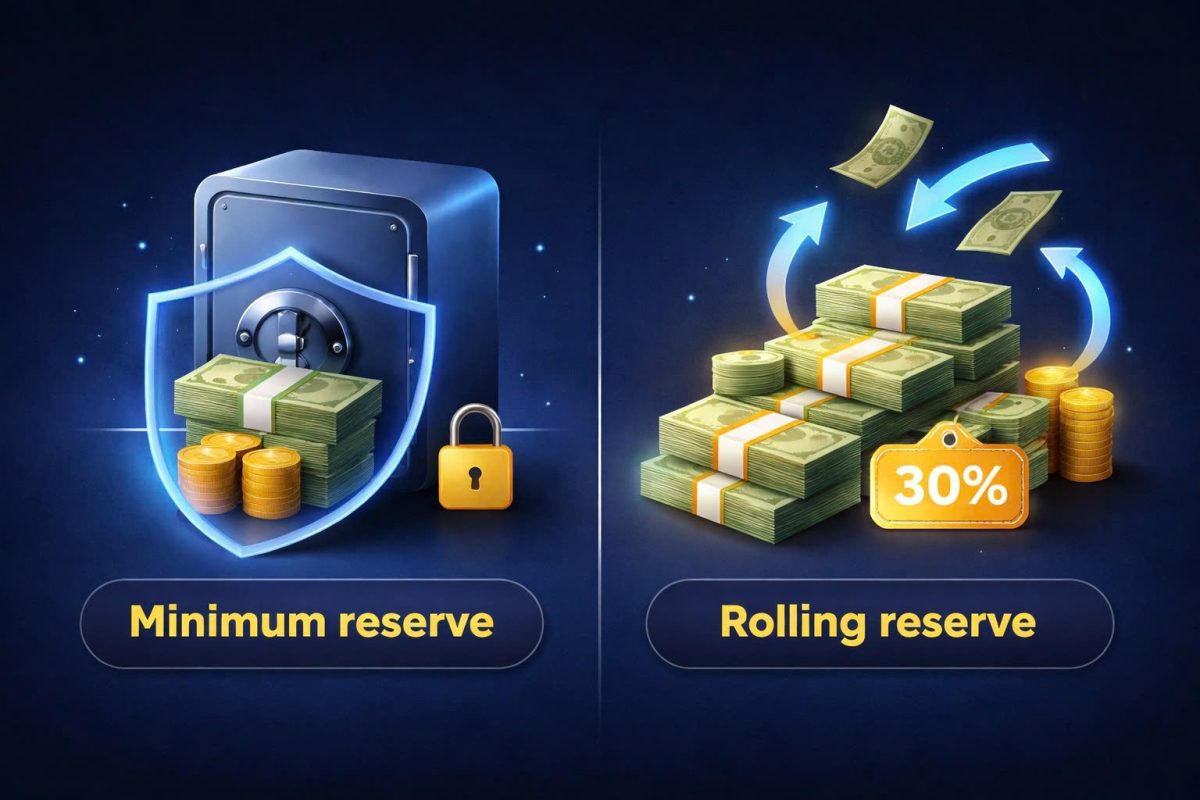
A rolling reserve is a percentage withheld from each transaction, typically between 10% and 30%.
Key characteristics:
- Applied to every new payment received
- Usually held for 60-90 days
- Released gradually if no issues occur
This type of reserve is generally easier to manage and remove.
2. Minimum Reserve
A minimum reserve requires you to maintain a specific amount of funds in your PayPal account at all times.
For example:
- Required reserve balance: $40,000
- If your available balance falls below that amount, incoming funds may be held until the reserve requirement is met.
- Funds above the reserve threshold may become available for withdrawal.
In many cases, sellers are subject to both a minimum reserve and a rolling reserve simultaneously, creating additional pressure on cash flow.
Why Does PayPal Place a Reserve on Your Account?
PayPal applies reserves when its risk management system determines that an account presents a higher-than-average level of risk.
1. Rapid Revenue Growth
A sudden spike in sales volume can trigger PayPal’s risk monitoring systems.
Fast growth often appears unusual compared to your historical activity.
2. POD and Dropshipping Business Models
Print-on-demand and dropshipping businesses typically involve:
- Longer shipping times
- Third-party fulfillment providers
- Higher dispute potential
As a result, these industries are often considered higher risk.
3. Limited Account History
New accounts or businesses without a proven track record may face increased scrutiny.
4. High Dispute or Chargeback Rates
If your dispute or chargeback rate exceeds acceptable levels, PayPal may implement a reserve to protect against future liabilities.
5. Weak Tracking and Fulfillment Performance
Accounts without reliable shipping evidence are viewed as riskier.
Poor fulfillment practices can increase the likelihood of customer complaints and claims.
How to Reduce a PayPal Reserve
Below are practical strategies that many sellers use to successfully lower or remove their reserve requirements.
1. Request a Reserve Review
This is often the most effective first step.
Contact PayPal and request a review of your reserve arrangement. Focus on demonstrating:
- Stable business operations
- Low dispute rates
- Reliable shipping performance
- Clear order fulfillment processes
Before submitting your request, prepare:
- Valid tracking information (USPS, YunExpress, etc.)
- Average delivery times
- Refund statistics
- Return and refund policies
- A professional website with complete business information
Depending on your account performance, PayPal may:
- Reduce the reserve amount
- Lower the reserve percentage
- Remove the reserve entirely
2. Improve Tracking and Fulfillment
Shipping performance is one of the most important factors PayPal evaluates.
Best practices include:
- Providing valid tracking numbers for all orders
- Ensuring shipments reach a “Delivered” status
- Processing orders quickly
- Avoiding excessive pending shipments
The more transparent your fulfillment process is, the greater your chances of obtaining a reserve reduction.
3. Keep Dispute Rates Below 1%
A healthy account generally maintains:
- Dispute rate below 1%
- Minimal chargebacks
- Low refund-related complaints
Ways to achieve this:
- Respond quickly to customer inquiries
- Issue proactive refunds when appropriate
- Provide accurate product descriptions
- Set realistic delivery expectations
4. Avoid Aggressive Scaling for 30–60 Days
If your account is currently under reserve, consider maintaining stable sales levels rather than aggressively increasing advertising spend.
A consistent sales pattern helps PayPal view your account as lower risk.
5. Optimize Your Website and Business Presence
A trustworthy website should include:
- About Us page
- Contact information
- Shipping policy
- Refund and return policy
- Clear business details
While these factors may seem indirect, they contribute significantly to PayPal’s risk assessment.
An Important Strategy: Do Not Rely Solely on PayPal
Depending entirely on PayPal creates a single point of failure for your business cash flow.
Consider diversifying your payment infrastructure by:
- Adding Stripe
- Integrating direct card processing
- Offering multiple payment options
A balanced setup may look like:
- 50% PayPal
- 50% Credit/Debit Card Payments
Benefits include:
- Reduced reserve-related pressure
- Improved cash flow stability
- Lower operational risk while scaling
Common Mistakes to Avoid
Trying to Circumvent the Reserve
Attempting to bypass PayPal’s reserve policies can lead to account limitations or permanent restrictions.
Scaling Aggressively During a Reserve Period
Rapid growth while under review can increase perceived risk and potentially result in stricter reserve requirements.
Ignoring the Situation
Reserves rarely disappear on their own without demonstrating improved account performance and lower risk.
A Realistic Timeline for Reserve Reduction
Days 0-30
- Stabilize operations
- Improve fulfillment performance
- Reduce disputes and refunds
Days 30-60
- Gather supporting documentation
- Submit a reserve review request
Days 60-90
- PayPal may begin reducing reserve requirements if account performance remains strong
Conclusion
A PayPal reserve does not mean you have lost access to your money permanently. It is simply a risk management mechanism designed to protect against potential disputes, chargebacks, and refunds.
If your account is subject to both a minimum reserve and a rolling reserve, the most effective approach is to build trust with PayPal by maintaining stable sales, minimizing disputes, improving fulfillment performance, and proactively communicating with their risk team.
At the same time, diversifying your payment methods can help protect your cash flow and reduce dependence on a single payment provider. As your account demonstrates consistent, low-risk performance over time, PayPal may gradually reduce or remove the reserve altogether.
EasyPay onBoard – Your success is our satisfaction