
PayPal is one of the most popular international payment platforms today, widely used in Ecommerce, by freelancers, and for cross-border transactions. However, a common problem is that PayPal accounts are easily restricted when transferring money internationally.
This doesn’t only happen with new accounts; even accounts that have been in use for a long time can be restricted if the system detects unusual transaction activity.
This article by EASYPAY ONBOARD will analyze in detail why international money transfers via PayPal are easily restricted and the risk assessment system.
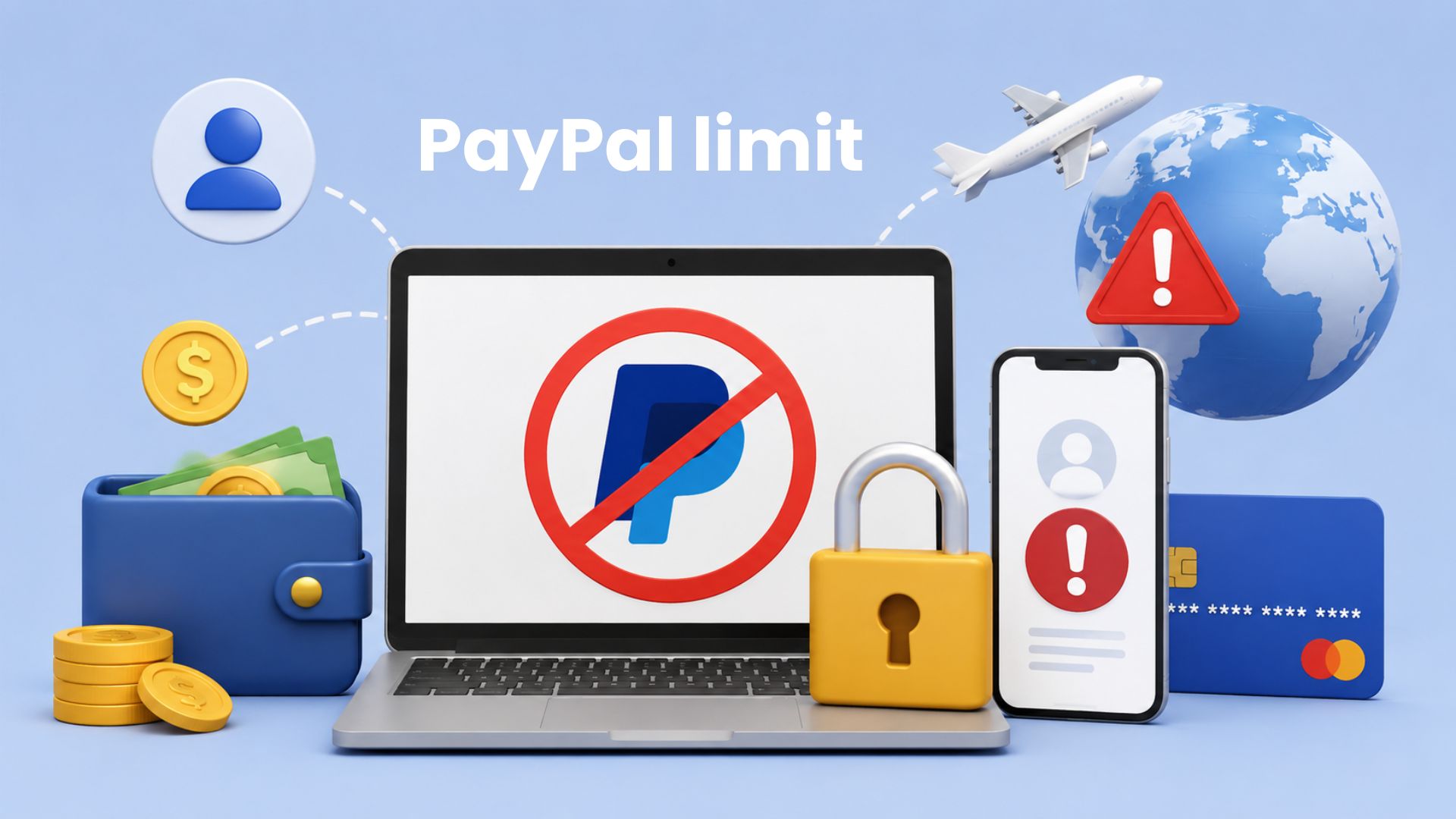
What is a PayPal limit?
A PayPal limit (account restriction) is the state where an account is:
- Limited from sending or receiving funds
- Balance held
- Requires additional verification
- Restricted from all transaction functions
The purpose of PayPal is to: Protect users, the payment system, and reduce the risk of financial fraud.
Why Does PayPal Limit International Transfers?
Automated Risk Detection System
PayPal uses an AI-based risk engine to analyze transactions in real time. When you send money internationally, the system checks:
- Whether the transaction behavior looks normal
- Whether it matches legitimate business activity
- Whether there are signs of money cycling or suspicious activity
If the activity does not match normal patterns, the account may be flagged.
International Transactions Are Higher Risk
Compared to domestic payments, international transfers are considered riskier because they are:
- Harder to verify
- More difficult to track
- More vulnerable to cross-border fraud
Because of this, PayPal applies stricter monitoring to international transactions.
Unusual Transaction Patterns
One common reason for account limitations is unusual transfer behavior, such as:
- Sending money between many accounts
- Sudden increases in transaction frequency
- Irregular payment amounts
- Transactions involving multiple countries in a short time
PayPal may classify these as risky transaction patterns.
P2P Transactions Without Clear Purpose
PayPal clearly separates:
- Personal payments
- Business transactions
- Transactions with unclear purposes
If you send international P2P payments without:
- Invoices
- Service descriptions
- Clear business history
the system may view the activity as high risk.
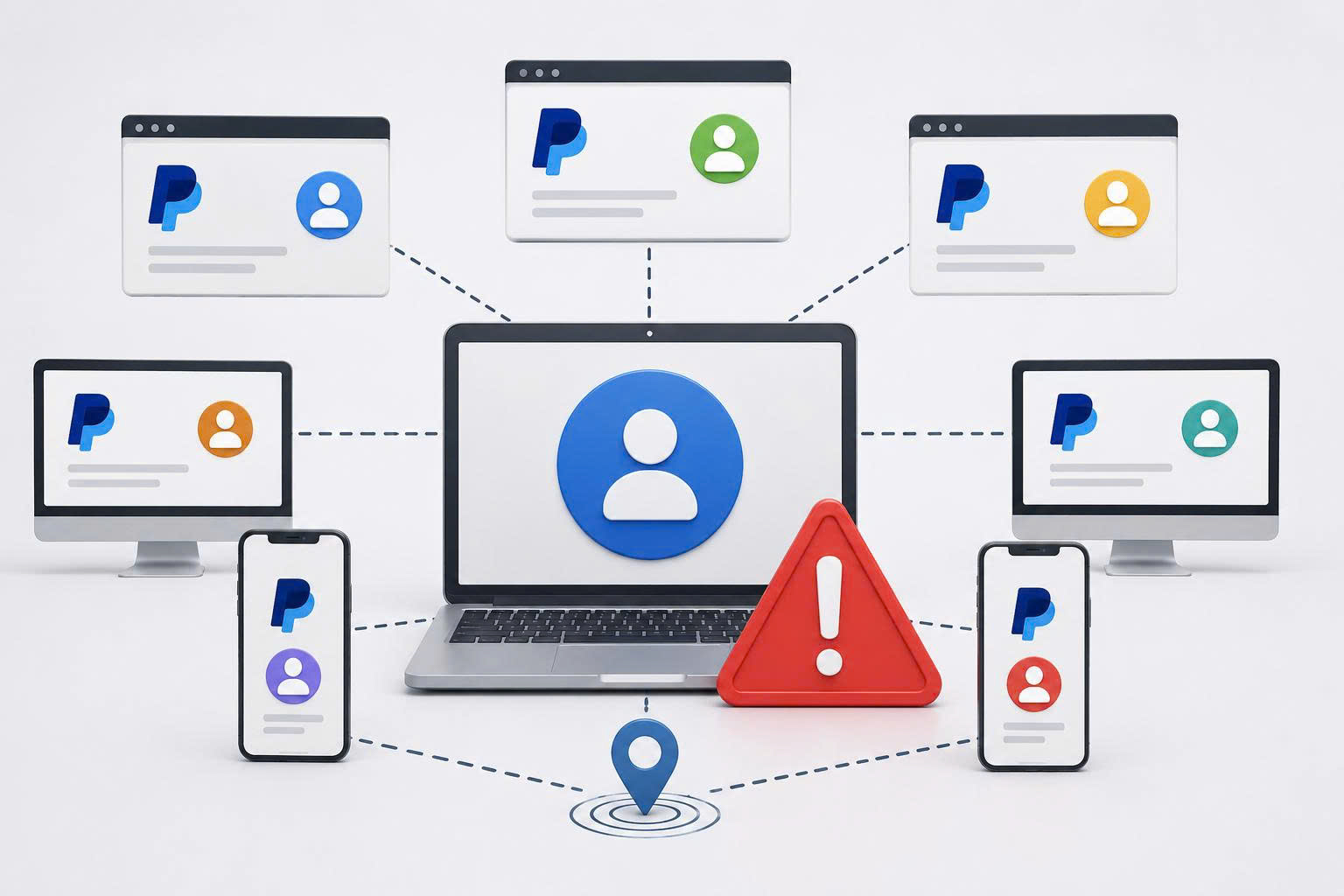
Multiple Linked Accounts and Devices
PayPal monitors:
- Login IP addresses
- Devices used
- Transaction locations
- Linked bank accounts
If multiple accounts appear connected, PayPal may:
- Combine the risk evaluation
- Or limit all related accounts
Sudden Growth in Transaction Volume
PayPal may review accounts that:
- Are newly created but receive large payments
- Show rapid revenue growth
- Have unstable transaction behavior
In these cases, funds may be temporarily held for verification.
Buyer and Seller Protection System
PayPal also handles:
- Refunds
- Buyer protection
- Bank chargebacks
To reduce financial risk, PayPal may limit accounts when transactions are not transparent enough.
Why Personal Accounts Get Limited More Easily
Personal accounts often:
- Lack clear business information
- Have fewer invoices or documents
- Mainly use peer-to-peer transfers
PayPal prefers transparent payment activity, so personal accounts may appear riskier when used frequently for international transfers.
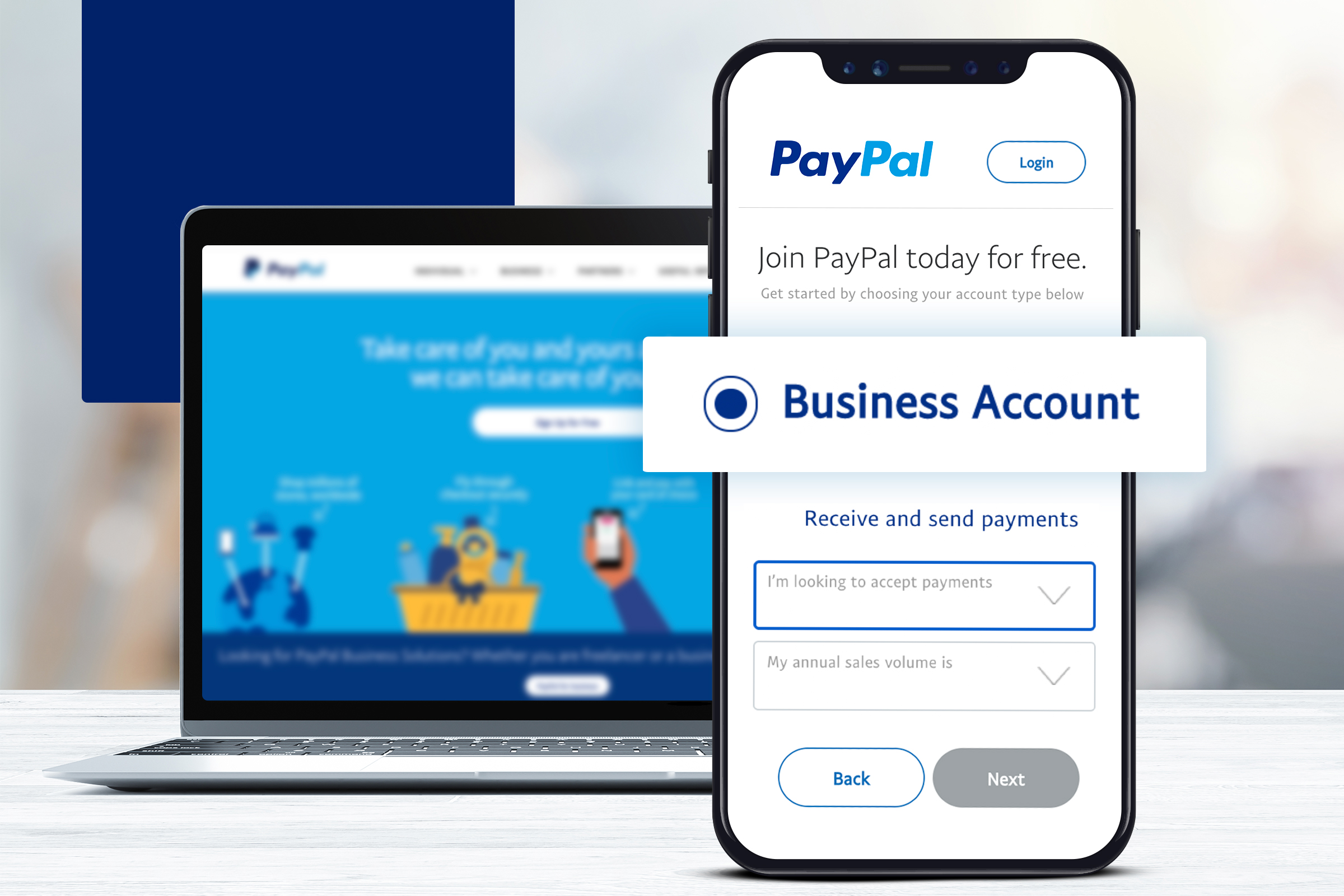
Can PayPal Business Reduce the Risk of Limits?
PayPal Business can help reduce the risk of account limitations if you use it correctly for actual business activities such as selling goods, providing services, or receiving transparent payments from customers. Having clear invoices, a reasonable transaction history, and specific payment purposes will help PayPal’s system assess your account more favorably. However, this is not a tool to completely avoid limitations. If you continue to misuse it, such as rotating funds, making unusual transfers, or engaging in opaque transactions, your account may still be limited as usual.
How to Reduce the Risk of PayPal Limits
1. Keep Transactions Consistent
- Avoid sudden increases in volume
- Maintain stable transaction behavior
2. Make Payment Purposes Clear
- Use invoices for business payments
- Add clear payment descriptions
3. Avoid Circular Money Transfers
- Do not move money repeatedly between accounts
- Avoid unclear payment flows
4. Improve Account Trust
- Fully verify account information
- Link valid bank accounts
- Maintain a stable transaction history
Conclusion
PayPal limits on international transfers are not random. They are part of PayPal’s global financial risk management system. The main reasons include:
- Automated risk detection
- Higher risk in international transactions
- Unusual transfer patterns
- Lack of transaction transparency
- Activity inconsistent with normal business behavior
Understanding how the system works can help you use PayPal more safely and reduce the risk of account limitations.
EasyPay onBoard – Your success is our satisfaction