
For many years, Venmo was mainly known as a simple peer-to-peer money transfer app in the United States. However, by 2026, Venmo is no longer seen as a “secondary product” within PayPal’s ecosystem. Instead, it is being repositioned as a strategic pillar in PayPal’s broader payments and digital finance strategy.
From the perspective of EasyPay onBoard analysis, PayPal’s strong bet on Venmo is not a short-term decision. It is the result of multiple shifts in growth, user behavior, and monetization strategy.
What Is Venmo?
Venmo is a digital payment and money transfer application owned by PayPal, widely used in the United States. It allows users to send and receive money quickly through mobile devices or linked bank accounts.
Originally, Venmo was designed for personal transactions such as splitting dinner bills, rent, or shared expenses between friends. However, in recent years, Venmo has expanded into e-commerce payments and financial services.
Venmo Is Growing Faster Than Traditional PayPal
In Q1 2026, Venmo recorded notable growth:
- Revenue increased by approximately 20% YoY
- Total Payment Volume (TPV) increased by around 10%
- “Pay with Venmo” grew nearly 50%
- Venmo debit card usage continued to expand
The key insight is not just the growth numbers, but the shift in user behavior.
Venmo is no longer just used for splitting bills. It is increasingly being used for real-world purchases. This transition transforms Venmo from a P2P app into a commercial payment platform.
Venmo Has Been Separated Into a Standalone Business Unit
One of the clearest signs of PayPal’s commitment to Venmo is its corporate restructuring.
Starting in April 2026, PayPal reorganized into several segments:
- Checkout Solutions & PayPal
- Consumer Financial Services & Venmo
- Payment Services & Crypto
This separation signals two important things:
First, PayPal wants to measure Venmo’s performance more independently and transparently.
Second, Venmo is no longer a side product it is now a strategic growth unit that requires focused investment and acceleration.
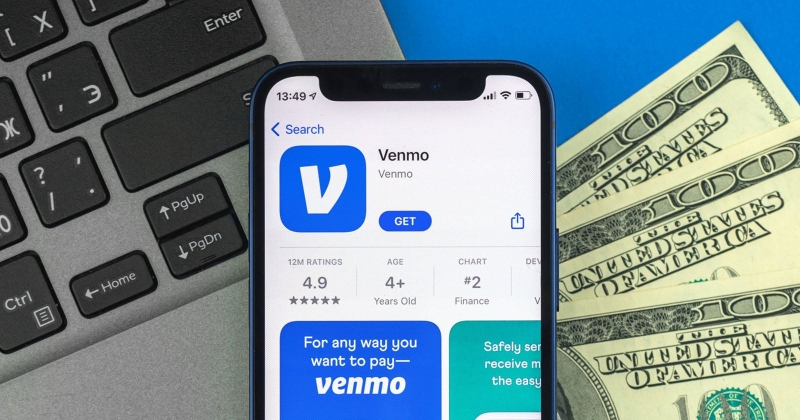
Venmo Has Finally Found Effective Monetization
For years, the biggest question from investors was: Venmo has users, but how does it make money?
By 2026, the answer is much clearer. Venmo now generates revenue through multiple channels:
- “Pay with Venmo” at e-commerce checkout
- Venmo Debit Card
- Instant Transfer fees
- Other expanding financial services
More importantly, revenue growth is now outpacing transaction growth. This indicates that PayPal is not only scaling users but also increasing revenue per user.
In other words, Venmo is entering a true monetization phase.
Strong Advantage Among Younger Users in the U.S.
Another key factor is user behavior.
Venmo is especially popular among younger consumers in the United States, who:
- Prefer mobile payments
- Rarely use cash
- Expect fast and simple payment experiences
- Easily adopt new payment methods
This makes Venmo a naturally viral payment network, especially in social payment environments.
As more merchants integrate “Pay with Venmo,” the network effect becomes even stronger.
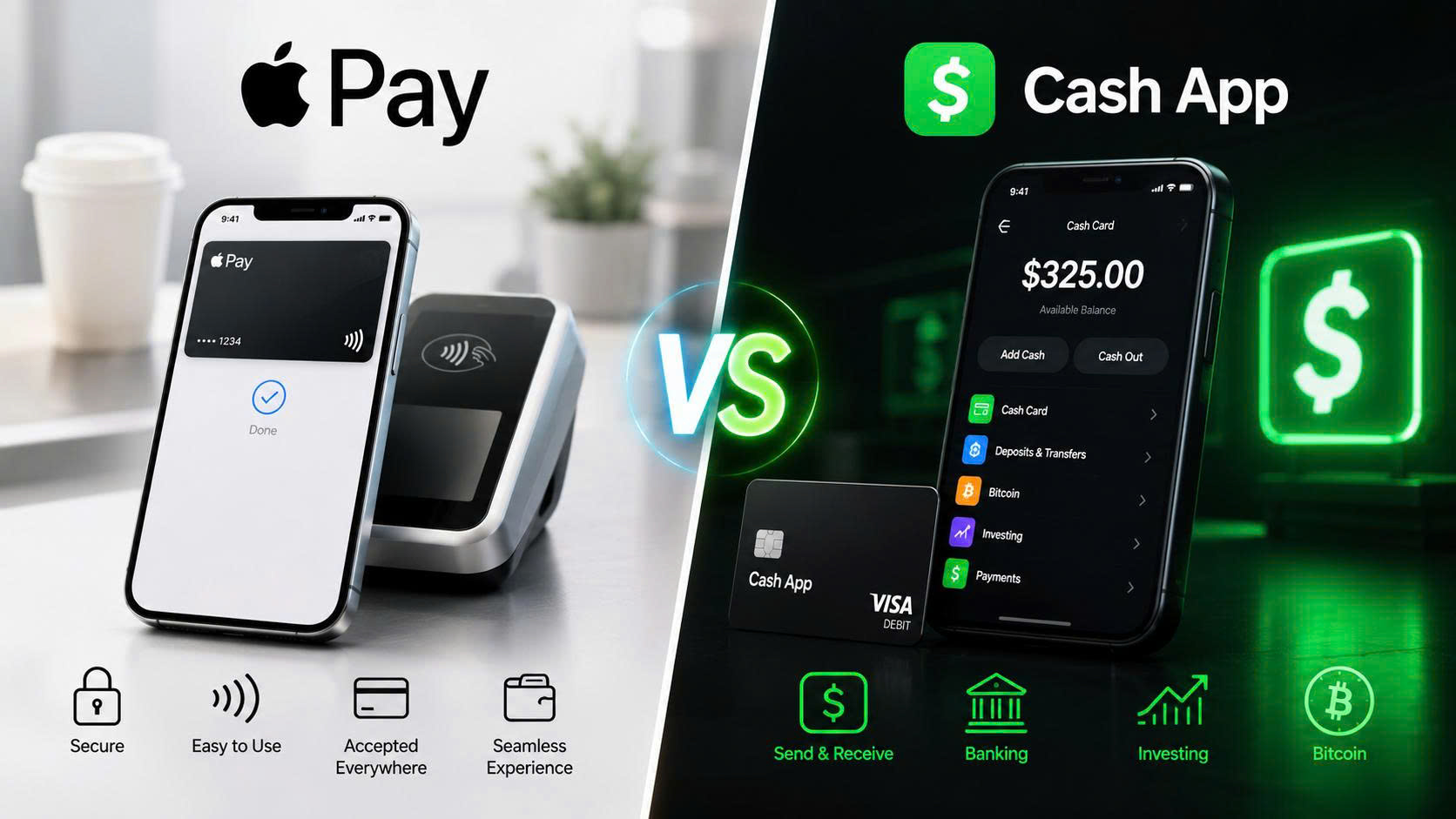
Competing With Apple Pay and Cash App
Venmo is not being positioned in isolation.
PayPal is actively positioning Venmo as a direct competitor to:
- Apple Pay
- Cash App
- Other mobile payment platforms
This strategy is reflected in Venmo’s expansion into:
- Ecommerce payments
- Debit cards
- Personal financial services
- Integrated payment ecosystems
The long-term goal is to transform Venmo from a social P2P app into a full-scale payments and financial platform.
Implications for Ecommerce, POD, and Dropshipping
For e-commerce businesses, especially POD and dropshipping, Venmo’s growth reflects a broader trend:
- U.S. consumers are increasingly comfortable with app-based payments
- New payment methods are gradually replacing traditional cards
- Simpler checkout processes lead to higher conversion rates
Adding “Pay with Venmo” as a payment option can directly impact checkout performance and reduce friction in the buying process.
Conclusion
PayPal’s big bet on Venmo is not driven by short-term hype, but by long-term structural changes in consumer payment behavior.
Venmo is evolving from a social payment app into a true digital payments and financial platform.
From user growth and revenue expansion to corporate restructuring, all signals point to the same direction: Venmo is being repositioned as a long-term growth engine for PayPal.
In the U.S. digital payments race, Venmo is no longer just a feature inside PayPal it is becoming a serious competitor within the modern financial ecosystem.
EasyPay onBoard – Your success is our satisfaction