
In recent years especially from 2024-2026 many online sellers have reported the same issue: their PayPal accounts being permanently limited, funds held for 180 days, unsuccessful appeals, and little to no clear explanation. This often leads sellers to believe PayPal is “locking accounts unfairly.” However, from PayPal’s perspective, permanent limitation is not a subjective decision it’s the result of an internal risk assessment system determining that the account has exceeded acceptable risk thresholds. In this article, EasyPay onBoard breaks down the core reasons why PayPal applies permanent limitations, particularly in dropshipping and cross-border Ecommerce.
What Does “Permanent Limitation” Mean?
A permanent limitation is not a temporary restriction. When applied, it means:
- The account can no longer use PayPal’s system
- The limitation cannot be lifted by submitting documents
- Funds may be held for up to 180 days for risk processing
- PayPal terminates its business relationship with the account holder
This is the highest level of enforcement in PayPal’s risk management system.
Core Reasons Why PayPal Permanently Limits Accounts
1. Business Model Considered High Risk
PayPal evaluates not only whether a seller commits fraud, but also the potential for future financial loss. Business models often classified as high-risk include:
- Dropshipping with poor control over fulfillment and delivery times
- Cross-border selling without a clear legal entity or business address
- Products prone to disputes (trending items, emotional products, fast personalization)
- Lack of clear after-sales processes, returns, and customer support
Even without major disputes, if the model is considered unstable, PayPal may still apply a permanent limitation.
2. Dispute and Chargeback Rates Exceed Thresholds
Disputes are one of the most sensitive risk signals. Common warning signs include:
- Rapid increase in disputes relative to transaction volume
- Disputes occurring shortly after payment
- Reasons like “item not as described,” “item not received,” or “unauthorized transaction”
PayPal doesn’t wait for disputes to spiral out of control before taking action.
3. Abnormal or Patterned Refund Behavior
Refunds themselves are not violations, but PayPal closely evaluates patterns such as:
- Large numbers of refunds in a short period
- Refunds issued very soon after transactions
- Refunds increasing in parallel with revenue
These signals suggest poor post-purchase experience and a higher risk of future chargebacks.
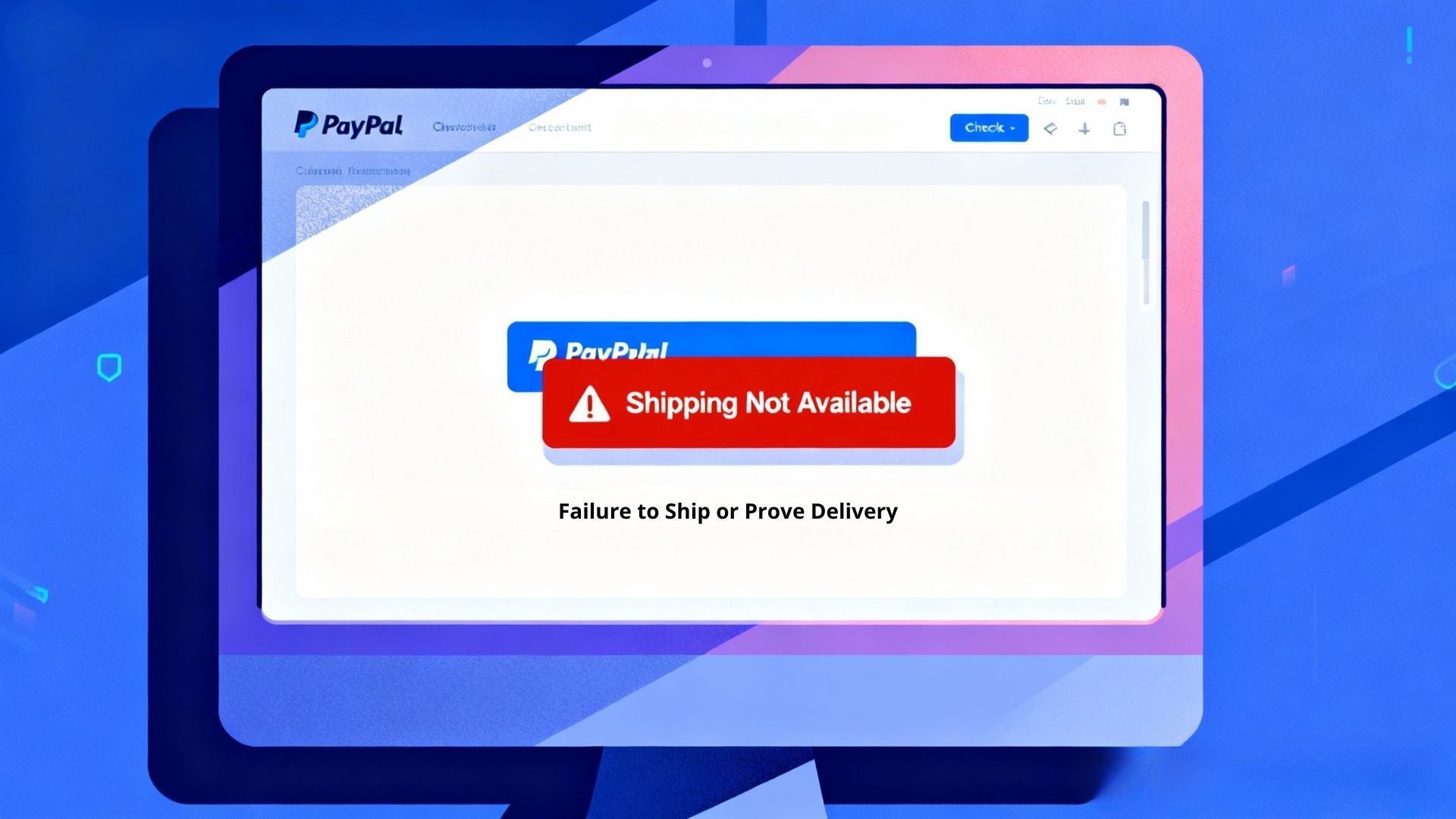
4. Failure to Ship or Prove Delivery
This is one of the most common reasons accounts are flagged as high risk. PayPal is particularly cautious when:
- Sellers fail to ship after receiving payment
- Tracking is invalid, delayed, or not updated
- There is a long gap between payment and shipment
- Sellers cannot prove that items were shipped
Even a small number of such cases can signal high future risk.
5. Direct Customer Complaints
Even without formal disputes, buyer reports are strong risk signals. Common complaints include:
- Item not as described
- Item not received
- Unauthorized transactions
- Complaints submitted directly to PayPal support
Repeated reports suggest that the store:
- Uses misleading product descriptions
- Has unreliable operations and fulfillment
- Carries a high risk of future disputes and chargebacks
6. Selling Policy-Violating Products
Many sellers are permanently limited for unknowingly selling restricted products, such as:
- Items in prohibited or restricted categories
- Products with exaggerated or misleading claims
- Use of copyrighted images, logos, brands, or characters without permission
- Legally or ethically sensitive products
PayPal does not need to prove intent. If the product falls into a risky category, the account may still be permanently limited.
Why Doesn’t PayPal Provide Detailed Explanations?
PayPal does not disclose specifics because:
- Risk scoring is based on internal algorithms
- Preventing fraudsters from reverse-engineering the system
- Decisions are tied to legal and ecosystem protection policies
As a result, limitation emails are often vague and do not specify exact violations.

Can a Permanent Limitation Be Removed?
In reality:
- The chances are very low
- Appeals are usually only effective for temporary limitations
- Permanent limitation is typically a final decision
In most cases, PayPal does not reverse its decision, even if the seller believes they did nothing wrong.
Conclusion
A permanently limited PayPal account is not the result of random or emotional decisions—it is the outcome of an internal risk system determining that your business model, transaction behavior, or operational data exceeds acceptable safety thresholds. PayPal focuses not only on fraud, but on the likelihood of disputes, chargebacks, and future financial loss. Therefore, to avoid permanent limitation, sellers must build a stable business model, maintain strong control over fulfillment, refunds, and post-purchase experience, and ensure consistent transaction behavior from the very beginning—instead of reacting only after the account is flagged.
Source: EasyPay onBoard – Your success is our satisfaction