
When shopping online, users usually see only a “Pay Now” button and assume that payment is simply a matter of entering card details and completing the transaction.
But behind a transaction worth just a few dozen dollars is a complex system involving technology, finance, security, and risk management.
PayPal and Stripe are two leading names in online payments. However, building a payment gateway capable of processing millions of transactions requires much more than software. It involves connecting with banks, card networks, payment processors, and other financial partners, while also building systems for security, fraud detection, KYC, AML, and risk management.
So, how were PayPal and Stripe created? And how does a payment gateway actually work?
What Is a Payment Gateway?
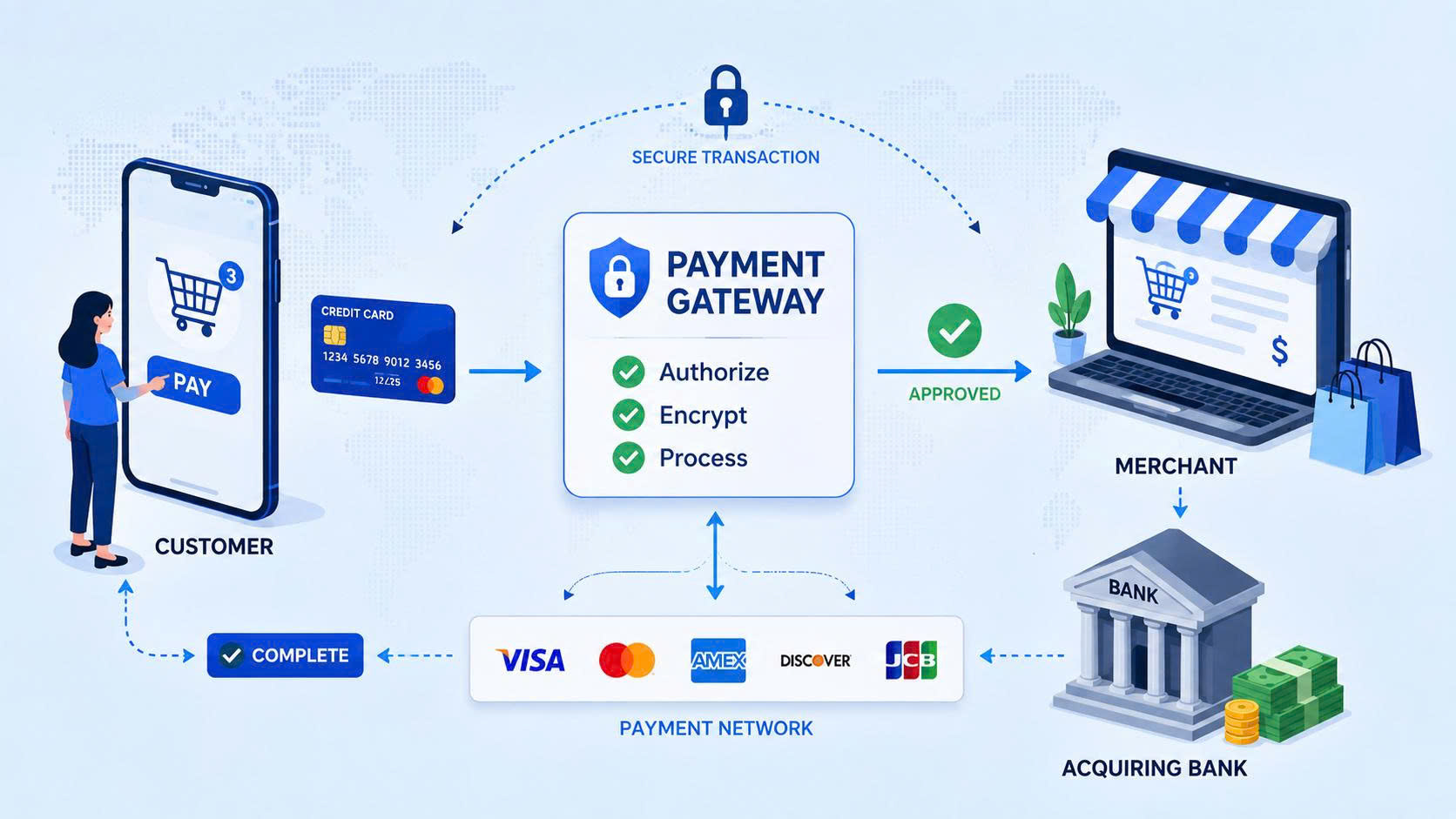
A payment gateway is an intermediary system that securely transmits and processes payment information between the customer, merchant, and other parties involved in the payment ecosystem.
When a customer makes a payment on a website, the transaction information passes through multiple systems before the payment result is returned.
A simplified process looks like this:
Customer → Website → Payment Gateway → Processor/Acquirer → Card Network → Issuing Bank
After the issuing bank verifies and approves or declines the transaction, the result is sent back to the website to confirm the payment.
Therefore, a payment gateway is much more than a payment button on a website. It is part of the financial and technological infrastructure behind an online transaction.
What Is Needed to Build a Payment Gateway?
1. Connections With Banks and Payment Processing Systems
A payment gateway needs to communicate with multiple components of the payment ecosystem, including:
- Issuing banks
- Acquirers
- Payment processors
- Payment partners
- Card networks
- Merchants
An acquirer helps merchants accept card transactions, while a processor handles the processing and transmission of transaction data between different parties. These connections allow a transaction from a website to reach the appropriate systems for verification and processing.
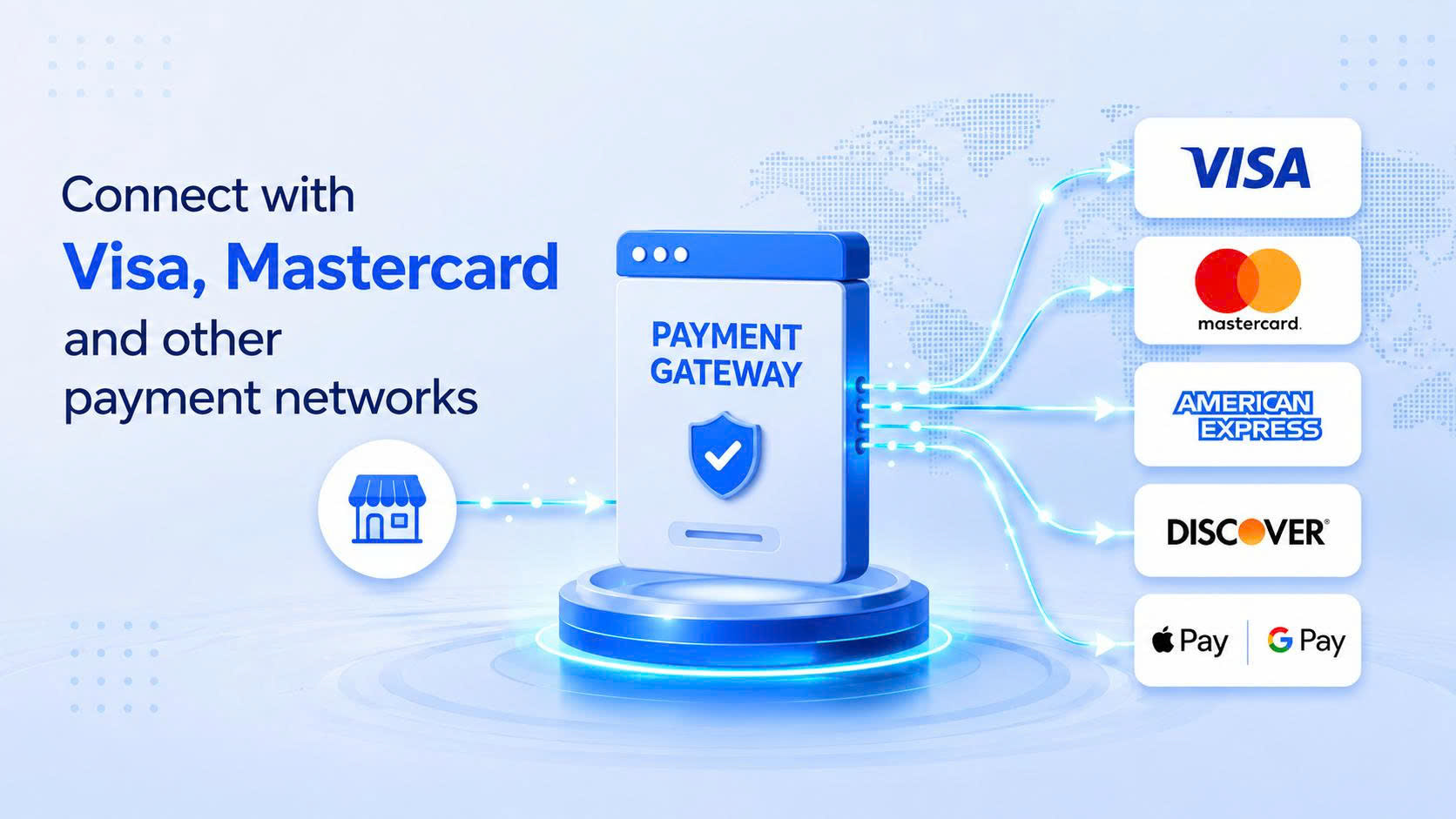
2. Connections With Visa, Mastercard, and Card Networks
If a merchant accepts Visa or Mastercard payments, the system needs to connect with the corresponding card networks.
Card networks facilitate communication between financial institutions during the transaction process.
For example, when a customer pays with Visa, the transaction may follow this path:
Merchant → Payment Provider → Acquirer → Visa Network → Issuing Bank
The issuing bank checks the transaction and returns an approval or decline response. The entire process usually happens within a few seconds.
3. Tokenization Helps Protect Card Data
One of the most important challenges in online payments is protecting sensitive customer information.
Instead of storing card details directly, a payment system can use tokenization to replace payment data with a representative token.
This token can be used for future transactions without requiring the merchant to directly store the original card information.
Tokenization is therefore an important security layer that helps reduce risks when processing online payments.
4. 3D Secure and Transaction Authentication
Payment gateways also need to support transaction authentication mechanisms. One commonly used technology is 3D Secure.
In some cases, customers may be required to complete additional authentication through their issuing bank.
The goal is to verify that the person making the transaction is actually the cardholder while reducing the risk of fraudulent transactions.
Depending on the market, bank, and transaction type, the authentication process may vary.
5. Fraud Detection and Risk Management
Not every transaction is safe.
A large payment gateway needs a system capable of detecting unusual transactions and assessing risk in real time.
The system may analyze signals such as:
- Transaction amount
- Transaction frequency
- IP address
- Device information
- Geographic location
- Transaction history
- Chargeback rate
- Payment behavior
- Merchant information
Modern systems can also use machine learning and AI to detect unusual transaction patterns. This is one reason why a merchant may undergo a payment review when revenue suddenly increases or transaction behavior changes significantly.
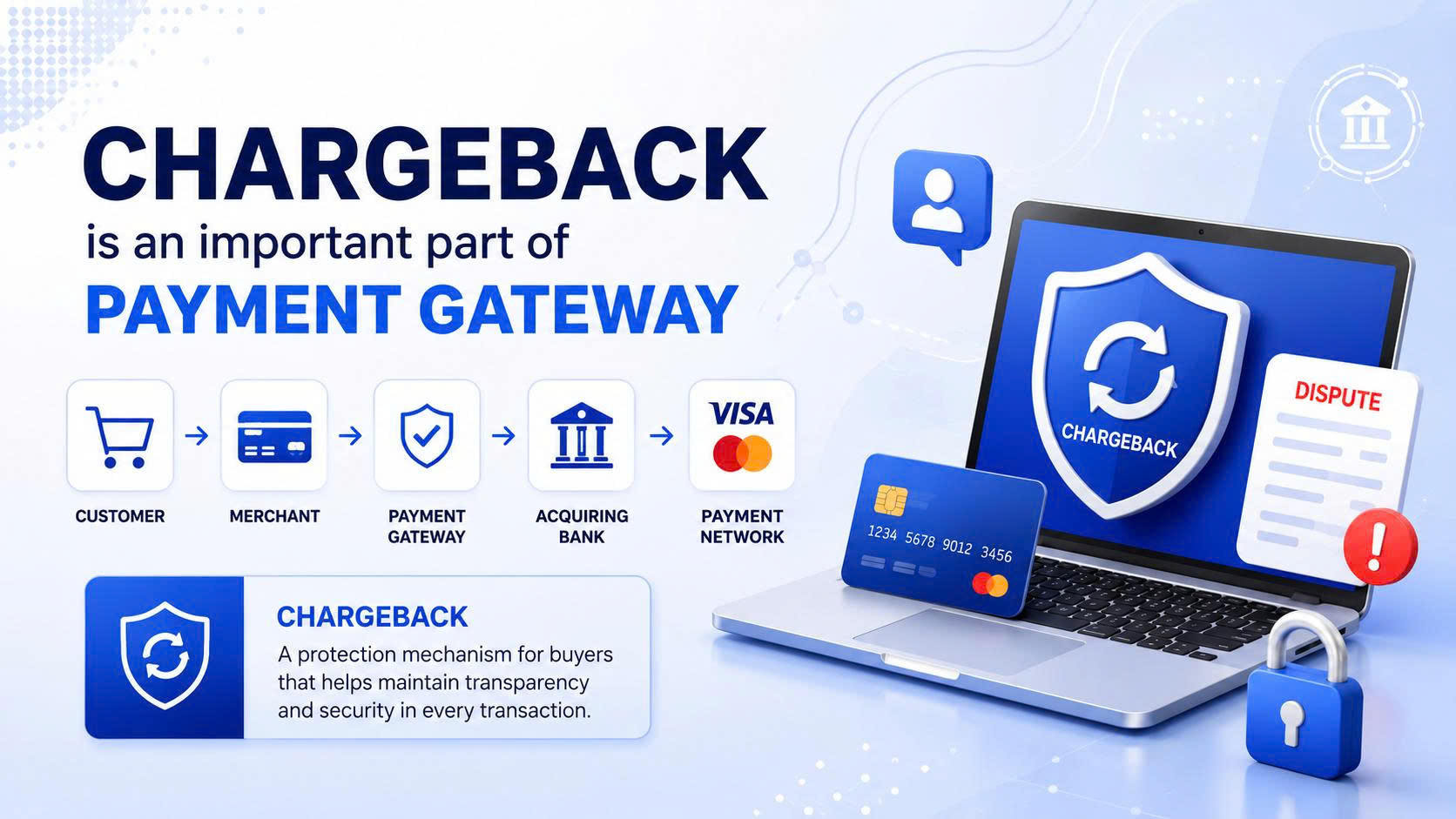
6. Chargebacks Are an Important Part of Payment Gateways
A successful payment does not necessarily mean the transaction is completely finished.
A customer may still dispute a transaction with their issuing bank. If the transaction is reversed through the chargeback process, the merchant may need to refund the money and provide evidence proving that the transaction was legitimate.
Therefore, payment systems need to track:
- Disputes
- Chargebacks
- Refunds
- Fraud
- Transaction history
For online merchants, especially POD and Dropshipping sellers, maintaining order information, tracking details, and proof of delivery can be important when disputes occur.
7. KYC and AML: Why Do Payment Gateways Verify Merchants?
A payment provider cannot simply allow any individual or business to register and receive payments.
Payment providers need to conduct identity and business verification processes.
- KYC – Know Your Customer helps verify customers and merchants.
- AML – Anti-Money Laundering refers to measures designed to prevent money laundering and other illegal financial activities.
During onboarding, merchants may be asked to provide:
- Personal information
- Identification documents
- Business information
- Website details
- Business model
- Product information
- Bank information
- Revenue or transaction documents in certain cases
The purpose is not only to verify the merchant but also to help the payment provider assess risk before and throughout the business relationship.
How Are PayPal and Stripe Different From a Traditional Payment Gateway?
PayPal and Stripe are often described as payment platforms or payment service providers. However, their ecosystems are broader than a traditional payment gateway.
PayPal
PayPal has built a payment ecosystem that allows consumers and merchants to conduct transactions through PayPal accounts and supported payment methods.
For merchants, PayPal provides tools such as:
- Online payments
- Checkout
- Payment processing
- Refunds
- Dispute management
- Risk management
- Reporting
One of PayPal’s major strengths is its large user network and payment ecosystem, which has been developed over many years.
Stripe
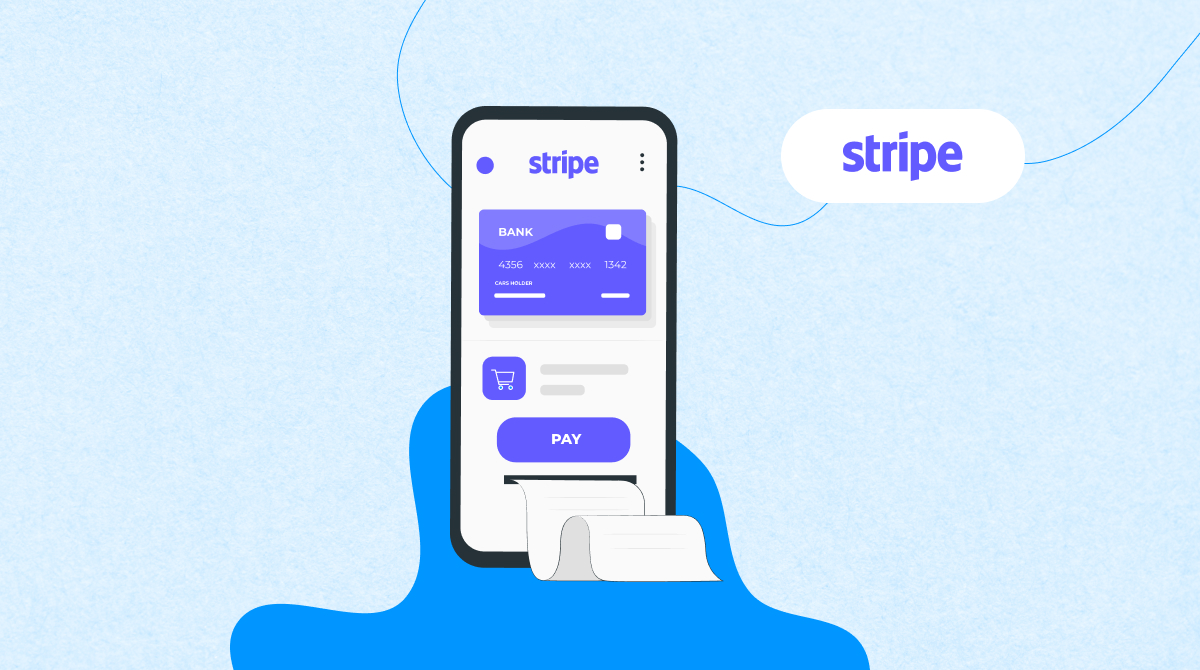
Stripe takes an API-first approach, focusing heavily on providing payment infrastructure for businesses and developers.
Merchants can integrate Stripe into websites, applications, or e-commerce systems through APIs and ready-to-use checkout tools.
Stripe has also developed a wide range of products around payments, including:
- Payment processing
- Checkout
- Billing
- Subscriptions
- Invoicing
- Connect
- Fraud prevention
- Financial reporting
This allows Stripe to function as financial infrastructure rather than simply a payment gateway.
Why Does a Payment Gateway Need Risk Management?
A payment provider needs to balance two objectives:
Approve as many legitimate transactions as possible while minimizing fraud, chargebacks, and financial losses.
If a system approves transactions too easily, fraud and chargeback risks may increase.
On the other hand, if the system is too strict, legitimate transactions may also be declined or sent for review.
Therefore, payment providers need risk management systems that continuously evaluate both merchants and transactions.
This is why a merchant with a normal transaction history may still be asked to undergo a review when significant changes occur.
Why Do POD and Dropshipping Sellers Need to Pay Special Attention?
POD and Dropshipping businesses have several characteristics that may require additional assessment from payment providers, including:
- Cross-border sales
- Multiple international markets
- Longer fulfillment times
- Dependence on third-party suppliers
- Potential refunds or disputes
- Seasonal revenue increases
- Products sold across multiple channels
For example, a store may have stable revenue and then suddenly experience several times its usual sales volume within a short period.
From the merchant’s perspective, this is positive.
However, from a risk management perspective, it may represent a significant change that requires additional evaluation.
Therefore, sellers should maintain complete records of:
- Orders
- Invoices
- Tracking information
- Suppliers
- Fulfillment
- Refunds
- Chargebacks
- Revenue
- Advertising costs
These records can help merchants demonstrate legitimate business activity when a payment provider requests verification.
A Payment Gateway Is More Than Technology
One common misconception is that building a payment gateway simply requires an API and connections to Visa or Mastercard. In reality, the process is much more complex.
A complete payment system needs to combine multiple components:
Bank + Acquirer + Processor + Card Network + Technology + Security + Risk + Compliance
Technology is only one part of the equation. Businesses also need to address legal requirements, licensing, data security, compliance, risk management, and financial operations depending on their business model and target market. That is why the value of PayPal and Stripe does not come only from their software. Their strength also lies in the financial infrastructure, partner networks, and risk management systems built behind the scenes.
Conclusion
When a customer clicks the “Pay Now” button, the entire payment process may take only a few seconds. But behind those few seconds is a complex system involving payment processing, banks, card networks, tokenization, authentication, fraud detection, chargebacks, KYC, AML, and risk management.
PayPal and Stripe are therefore much more than payment software.
They are the combination of financial technology, payment infrastructure, risk management, and compliance that makes modern online payments possible.
EasyPay onBoard – Your success is our satisfaction