
Many POD and dropshipping sellers face a confusing situation: the same website, same product, even the same ads but different PayPal accounts get completely different risk evaluations. Some accounts receive payments smoothly, while others get funds held or even high reserves applied. The issue is not the product or the website design. It lies in how PayPal evaluates your entire business ecosystem. In this article, EasyPay onBoard will help you understand the core factors and how to optimize them to reduce risk.
What Does PayPal Base Its Risk Assessment On?
PayPal doesn’t just look at your product. It evaluates multiple layers of data, including:
- Account history
- Transaction behavior
- Dispute and chargeback rates
- Tracking and shipping
- Revenue growth speed
- Overall business reliability
This means two accounts that look the same on the surface can still be rated very differently.
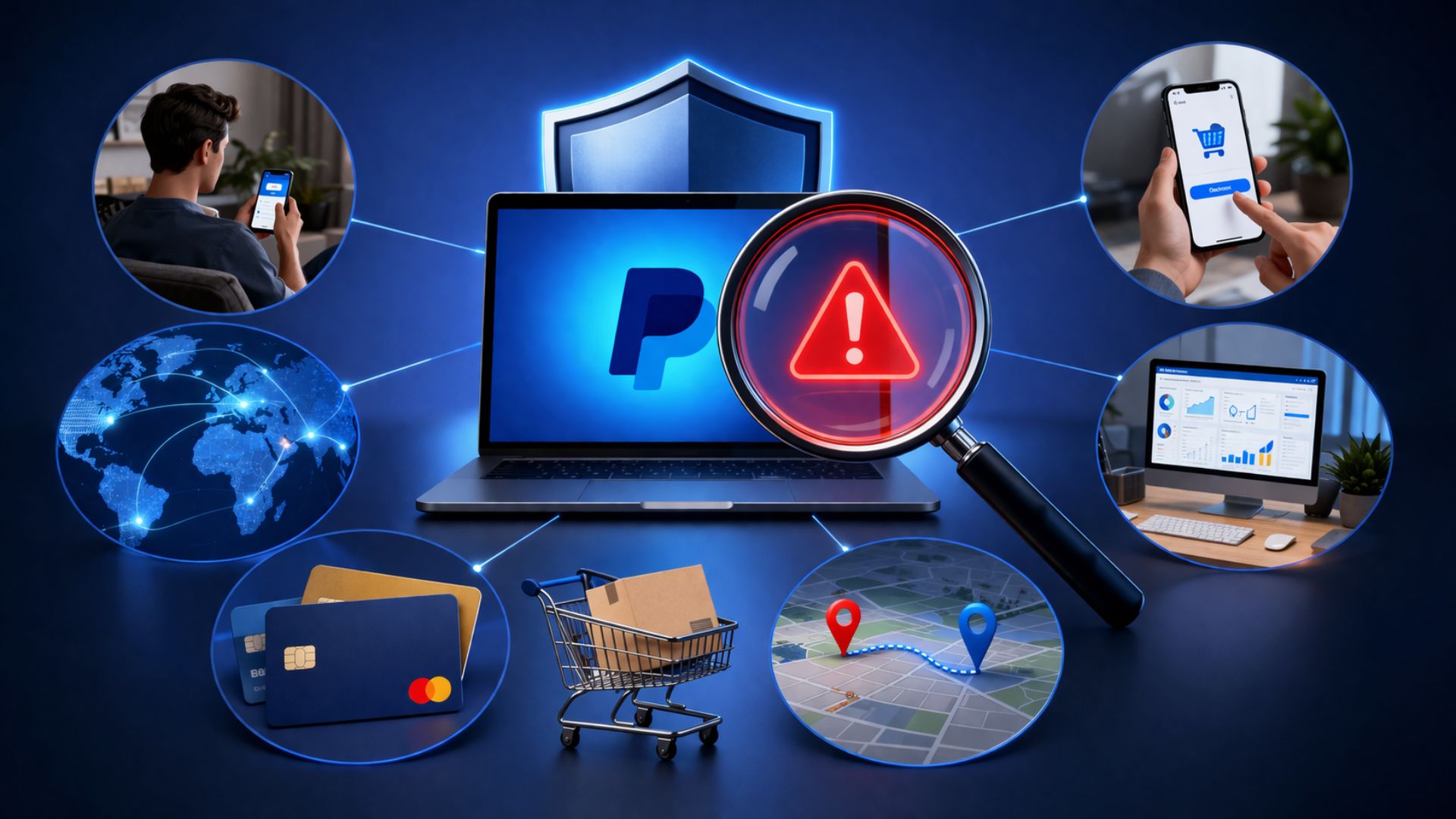
5 Main Reasons Why PayPal Assesses Risk Differently
1. Account History
This is the most important factor.
- Older accounts with stable transactions → higher trust
- New accounts or previously limited accounts → more scrutiny
For example, a new store scaling to $20,000/day is more likely to be held than a store that has been stable for 6 months.
2. Revenue Growth Behavior
PayPal is very sensitive to unusual growth patterns.
- Steady growth → safe
- Sudden spikes → considered risky
Example:
Yesterday: $1,000
Today: $10,000
This will be flagged as abnormal, leading to holds or reserves.
3. Dispute and Chargeback Rate
This is a critical metric in PayPal’s eyes.
- Under 1% → safe zone
- Increasing disputes → risk grows rapidly
Even with the same product:
- Account A: low disputes → smooth transactions
- Account B: high disputes → higher chance of holds or limitations
PayPal treats disputes as direct feedback from customers about your reliability.
4. Tracking and Fulfillment
Order handling and delivery directly impact risk levels.
A well-rated account typically has:
- Clear tracking (USPS, YunExpress, DHL…)
- Updated delivery status, especially “delivered”
- Reasonable processing and shipping times
On the other hand:
- No tracking
- Tracking not updating
- Long delivery times
These lead to more disputes, which causes PayPal to tighten the account.
5. Website System and Transparency
Even with the same product, different websites create different trust levels.
A high-trust website usually includes:
- Clear About and Contact pages
- Transparent Shipping and Refund policies
- Complete business information
- Professional, non-spammy design
If these elements are missing, PayPal may consider the site high-risk.
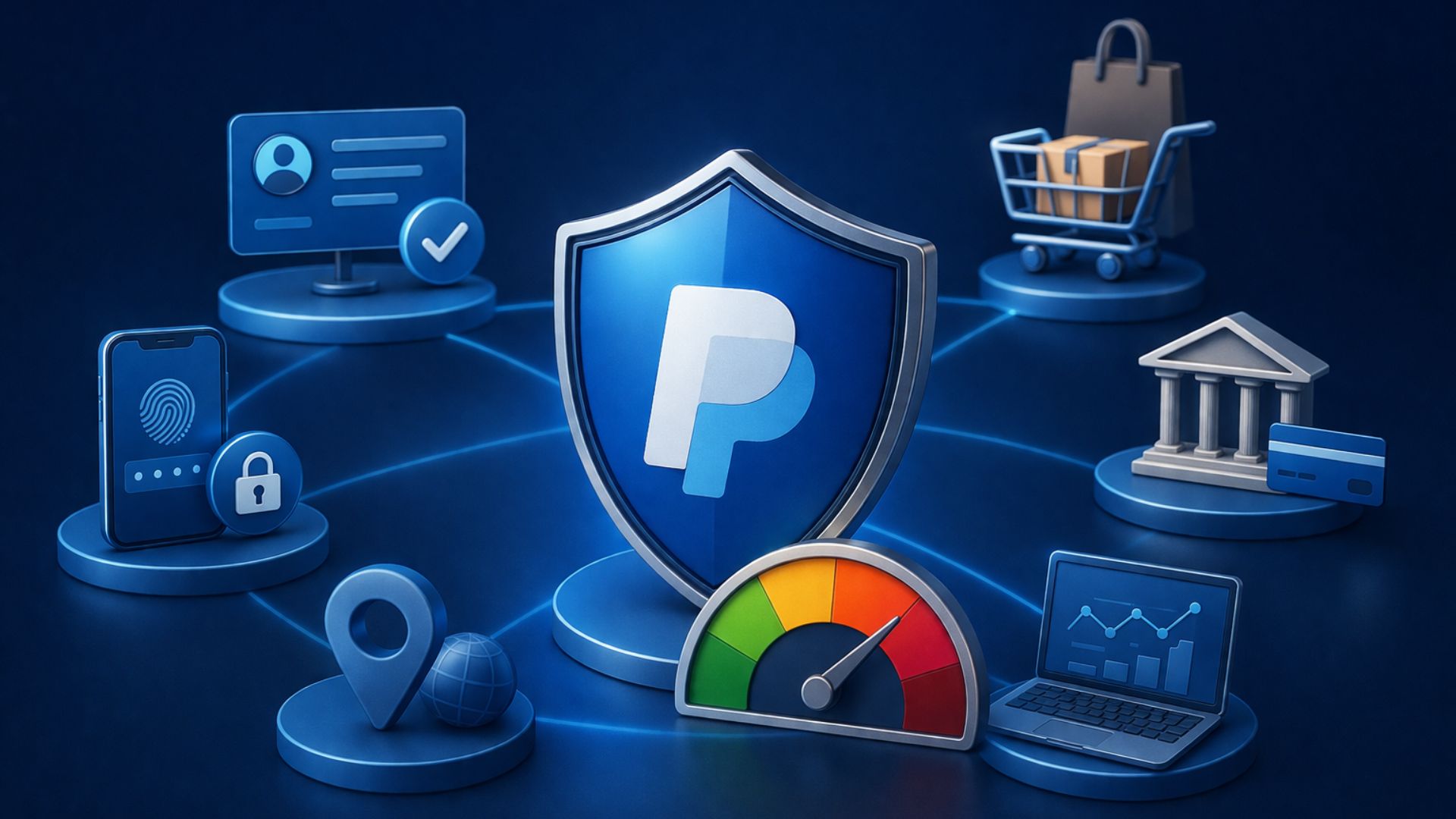
Why Do the Same Products Lead to Different Results?
PayPal doesn’t evaluate what you sell it evaluates how you run your business. Two people selling the same T-shirt:
- Seller A: good tracking, low disputes, steady growth → smooth payments
- Seller B: slow shipping, many complaints, sudden scaling → holds or limitations
The difference is not the product, but the system behind it.
How to Reduce PayPal Risk in POD/Dropshipping
1. Keep Growth Stable
Avoid scaling too fast.
- Don’t increase ad budget aggressively
- Avoid sudden spikes in orders
- Scale gradually and in control
Example:
- Increase your budget by 20-30% each day instead of 5-10 times.
- Monitor your response from PayPal before scaling further.
The goal is to create “natural” growth in PayPal’s eyes.
2. Keep Disputes Below 1%
- Proactively refund when issues arise
- Build a fast customer support system
- Provide clear and accurate product descriptions
- Set proper expectations for delivery time
Handling issues early is always better than letting them escalate.
3. Standardize Tracking
- Use reliable carriers (USPS, YunExpress, DHL)
- Ensure every order has valid tracking
- Monitor until “delivered” status
- Minimize orders without tracking
Also optimize processing time to reduce customer complaints.
4. Optimize Your Website
A proper website should include:
- About and Contact pages
- Shipping, Refund, and Privacy policies
- Transparent business information
- Clean, professional design
The more your site looks like a real business, the lower the risk.
5. Avoid Common Mistakes
Many sellers encounter problems with PayPal not because of a lack of knowledge, but because they make fundamental mistakes:
- Thinking the product is the main reason for holds
- Scaling too aggressively without a stable system
- Ignoring dispute control and customer support
- Overlooking post-purchase experience
These mistakes quickly increase risk, even if the product has potential.
Conclusion
PayPal does not assess risk based on whether your product or website is the same or different. It evaluates how you operate your entire business system. From account history and growth speed to tracking and dispute rate everything affects your trust level. To reduce holds and avoid reserves, you need to optimize not just your product, but your entire operation. Keep everything stable, transparent, and consistent over time.
EasyPay onBoard – Your success is our satisfaction