In recent years, Buy Now Pay Later (BNPL) has become one of the most prominent payment trends globally. Especially after Apple introduced this feature at WWDC, the BNPL model gained even more attention and quickly spread, including in Vietnam. So what is BNPL, how does it work, and is it really worth using? This article from EasyPay onBoard will help you understand how to increase your PayPal account balance in a practical and sustainable way.
What Is Buy Now Pay Later?
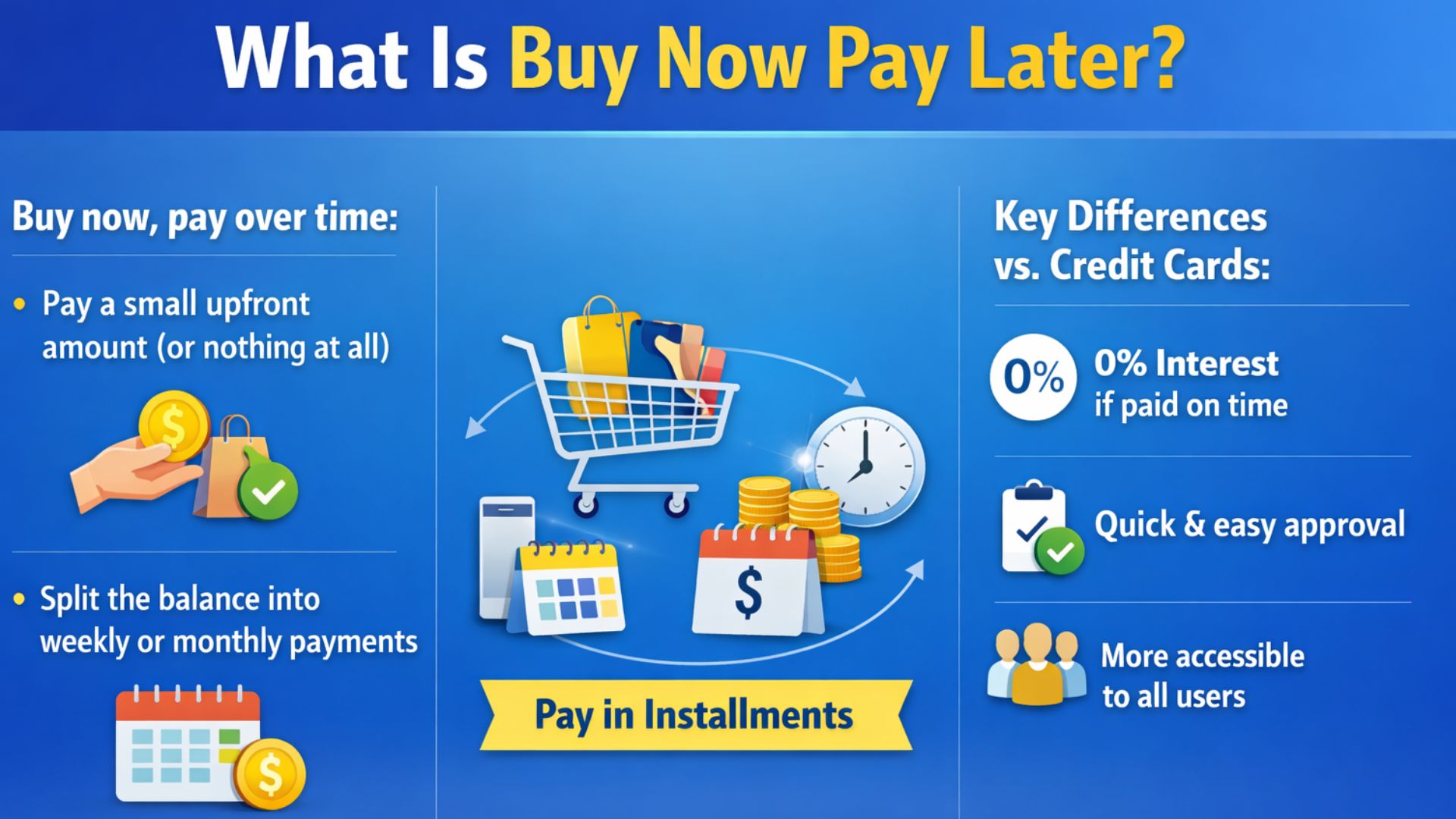
Buy Now Pay Later (BNPL) is a payment method that allows consumers to purchase products or services immediately and pay for them over time in installments. Instead of paying the full amount upfront, users can:
- Pay a small upfront amount (or nothing at all)
- Split the remaining balance into weekly or monthly payments
Key differences compared to credit cards:
- Often 0% interest if payments are made on time
- Quick and simple registration
- More accessible to a wider range of users
How Buy Now Pay Later Works
For Consumers
The process is simple:
- Choose a product or service
- Select “Buy Now, Pay Later” at checkout
- Get quick approval and a spending limit
- Make an initial payment (if required)
- Pay the remaining balance in installments
Users can manage all payments through an app. If payments are made on time, there are usually no extra fees. Late payments may result in penalties or interest.
For Businesses
BNPL is not just a payment method – it’s also a growth tool:
- Reduces financial barriers for customers
- Increases conversion rates
- Boosts average order value (AOV)
- Enables real-time revenue tracking
Although businesses must share a fee with BNPL providers, the increase in revenue often outweighs the cost.
Key Features of BNPL
- 0% interest in many cases
- Fast approval, minimal requirements
- Flexible payment terms
- Easy access for most users
- Convenient management via mobile apps
Common Types of BNPL
1. Short-term installments
Split payments over 3–6 months, the most popular option today
2. BNPL apps
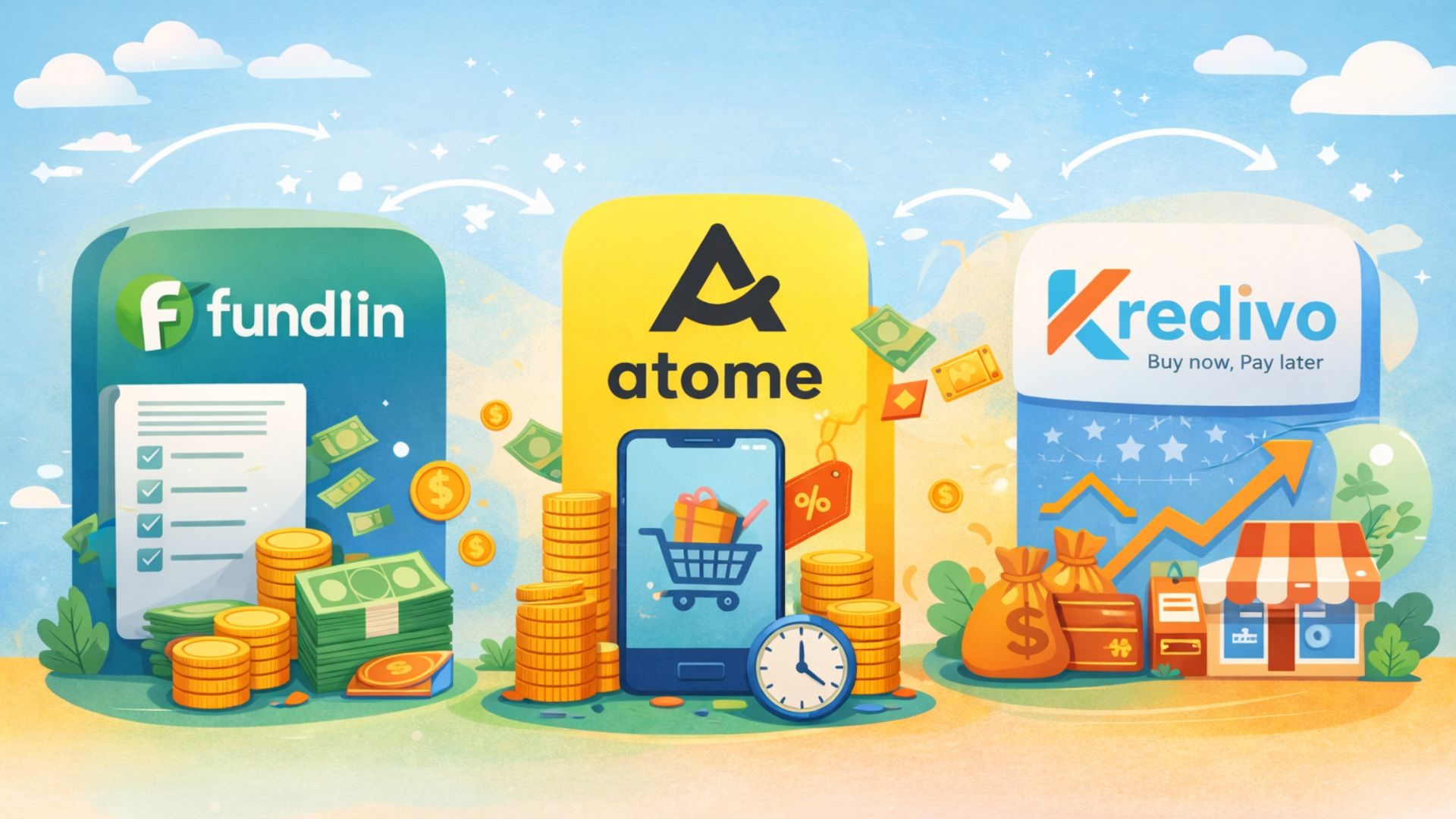
Platforms like Atome, Fundiin, and Kredivo offer fast approval and simple usage
3. Traditional installment plans
Used for high-value products, often requiring financial documentation
Pros and Cons of BNPL
Advantages
For consumers:
- No need to pay the full amount upfront
- Easier personal financial management
- No interest if paid on time
- Quick and easy application
For businesses:
- Higher conversion rates
- Customers tend to spend more
- Improved shopping experience
Disadvantages
For consumers:
- Late fees if payments are missed
- Risk of overspending
- Some platforms may charge interest
For businesses:
- Service fees to BNPL providers
- Dependence on third-party platforms
- Risk from customer payment behavior
Comparing BNPLs and credit cards
| Criteria | Buy Now Pay Later | Credit Cards |
|---|---|---|
| Interest Rate | Usually 0% if paid on time | Interest charged if not paid in full |
| Application Process | Fast and simple | More complex |
| Credit Limit | Flexible | Fixed |
| Late Fees | Yes | Yes, often with high interest |
| Accessibility | Easy to access | Harder to qualify |
Popular BNPL Platforms in Vietnam
- Fundiin – Flexible payments, transparent fees
- Atome – 0% interest, widely used in eCommerce
- Kredivo – Higher credit limits, regional prese
Should You Use BNPL?
BNPL is effective if you:
- Have a clear spending plan
- Always pay on time
- Avoid overspending
Otherwise, you may:
- Incur frequent late fees
- Accumulate multiple small debts into a larger burden
How to Use BNPL Effectively
- Always pay on time or early
- Use it only for necessary purchases
- Track your payment schedule regularly
- Choose reputable and transparent platforms
Conclusion
Buy Now Pay Later is becoming a major payment trend in Vietnam thanks to its convenience and flexibility. It not only helps consumers reduce financial pressure but also enables businesses to grow revenue and improve customer experience. However, to fully benefit from BNPL, users must understand how it works and use it responsibly.
EasyPay onBoard – Your success is our satisfaction